Song Meaning
The lyrics paint a picture of a restless, disconnected existence, embodied by the "drifter." This figure is caught in a perpetual state of motion, described as "sleepwalk" and "sleeptalk," suggesting a lack of conscious control or grounding. There's an immediate sense of unease, a feeling of being watched or pursued: "Awake to who is following." This sets the tone for a narrative steeped in ambiguity and a pervasive sense of not belonging.
The central tension lies in the drifter's paradoxical relationship with place and belonging. They are "moving like water," "drifting on the wind," yet also "never touching down, never leaving ground." This creates a "twilight world in which we roam," a liminal space where the individual is present but not rooted. The desire to "live everywhere" clashes with "not wanting to live anywhere," highlighting a deep internal conflict that fuels the constant movement.
The most striking aspect of the craft is the juxtaposition of passive, almost involuntary movement with a sudden, aggressive potential. The drifter "sleepwalks" and "sleeptalks," yet at "daybreak we walk" and "talk," "Ready to tear up the world." This shift suggests that the passive drifting might be a precursor to a more active, perhaps destructive, force. The repeated phrase "still we don't belong" underscores the persistent alienation, regardless of the drifter's state of being.
Ultimately, the lyrics resonate because they capture the feeling of being adrift in a world that offers no solid ground. The writing effectively uses imagery of fluid, uncontrolled movement and the unsettling idea of being simultaneously everywhere and nowhere. This creates a powerful emotional landscape of rootlessness, a constant state of transition that leaves the listener with a profound sense of unresolved yearning and disconnection.
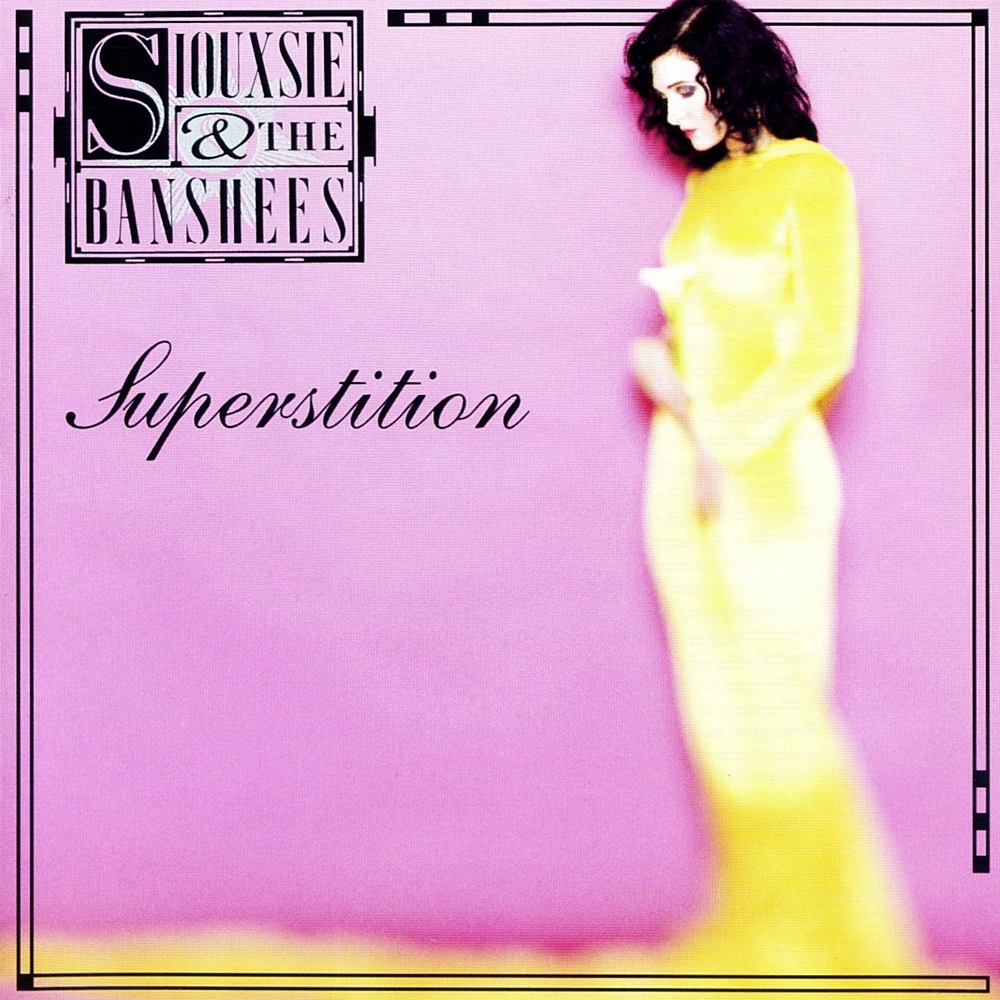
 View Artist