Song Meaning
The narrator is drowning in deception, feeling abandoned by any higher power. They're knee-deep in lies and have lost all hope for divine intervention. The plea for a "guy above" to be their "alibi" highlights a desperate search for an excuse or a scapegoat in the face of overwhelming falsehoods and hardship. This sets a tone of profound disillusionment and betrayal.
The lyrics paint a stark, almost apocalyptic picture of the world, juxtaposing religious imagery with brutal reality. Seeing "the pope kissing concrete" and "a hundred children bleed" suggests a complete inversion of expected order and a profound failure of institutions meant to protect the vulnerable. The narrator questions the "lord" directly, asking who allowed "all these children die," underscoring a crisis of faith triggered by immense suffering.
The recurring phrase "white lightning" acts as a complex, almost contradictory symbol. Initially, it's a desperate cry to "stop frightening" and a plea for a "deep breath of life," suggesting a desire for clarity or a powerful, perhaps even destructive, force to break the oppressive darkness. Yet, the narrator also declares, "I'm gonna play it my way," indicating a turn towards self-reliance and defiance, even as they admit "it's so dark inside."
This internal conflict between seeking external salvation and embracing personal agency, all while confronting horrific imagery, makes the lyrics resonate. The stark contrast between religious ideals and the "real world" where "weird things affect our life" creates a powerful emotional tension. The "unholy visions" and the image of Jesus juxtaposed with a "bad child" suffering from bone cancer reveal a deep-seated despair and a questioning of divine justice, ultimately grounding the song's impact in its raw, unflinching confrontation with suffering and hypocrisy.
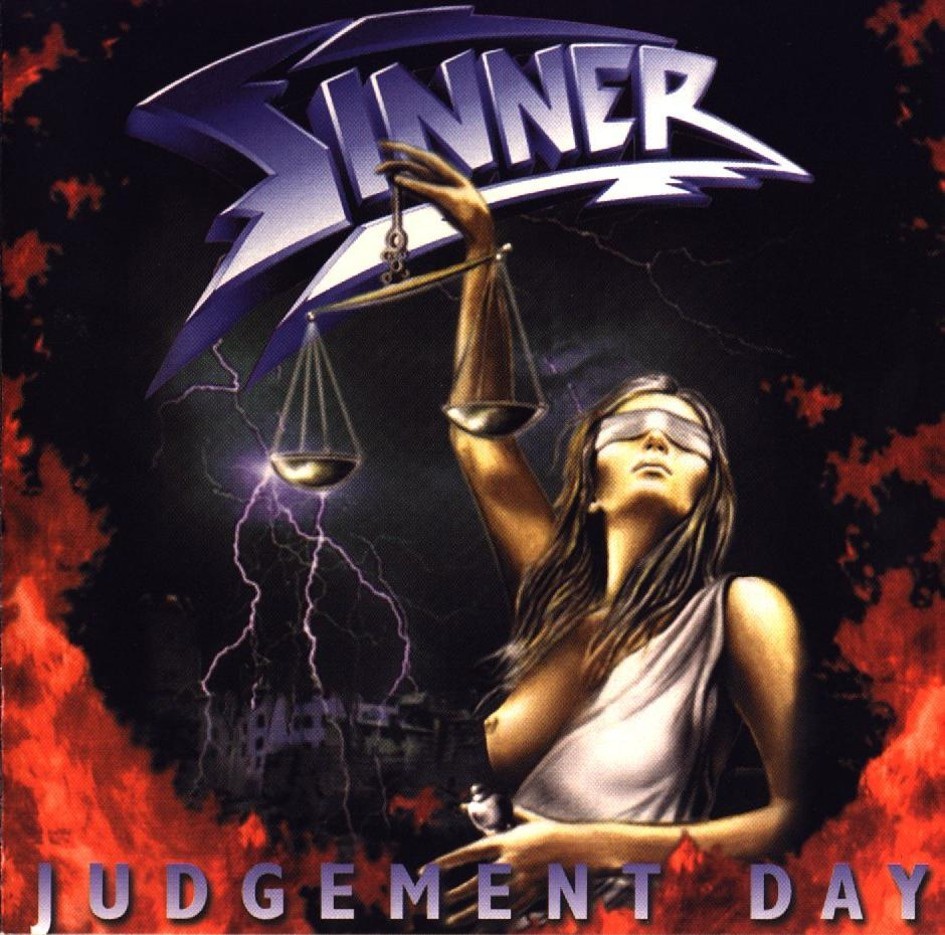
 View Artist