Song Meaning
The lyrics present a stark, almost clinical self-assessment, framing the physical self as "fragile plastic" and the inner self as a "memory card." This immediately establishes a sense of detachment, as if the narrator is observing their own existence from a distance. The dominant emotional tone is one of vulnerability and perhaps a quiet resignation to this perceived impermanence and disposability.
The central tension seems to lie in the contrast between the physical body's fragility and the soul's potential for preservation, albeit in a digital, disembodied form. The "plastic" body suggests something easily broken, mass-produced, and ultimately temporary, while the "memory card" implies data storage, something that can be backed up, corrupted, or lost. This creates an unsettling dichotomy where the essence of self is reduced to storable information.
The most striking craft element is the extended metaphor comparing the body to "fragile plastic" and the soul to a "memory card." This technological analogy strips away organic metaphors, presenting a modern, almost alienating view of identity. It suggests that in a world of rapid technological advancement, even our sense of self can be understood through the lens of hardware and data, highlighting a potential disconnect from traditional notions of embodied existence.
This lyrical conceit is effective because it taps into contemporary anxieties about technology's role in our lives and the nature of consciousness. By reducing complex human experiences to such simple, material components, the lyrics evoke a feeling of profound, almost existential loneliness. The starkness of the imagery leaves the listener contemplating the very definition of being and the potential for selfhood in an increasingly digitized world.
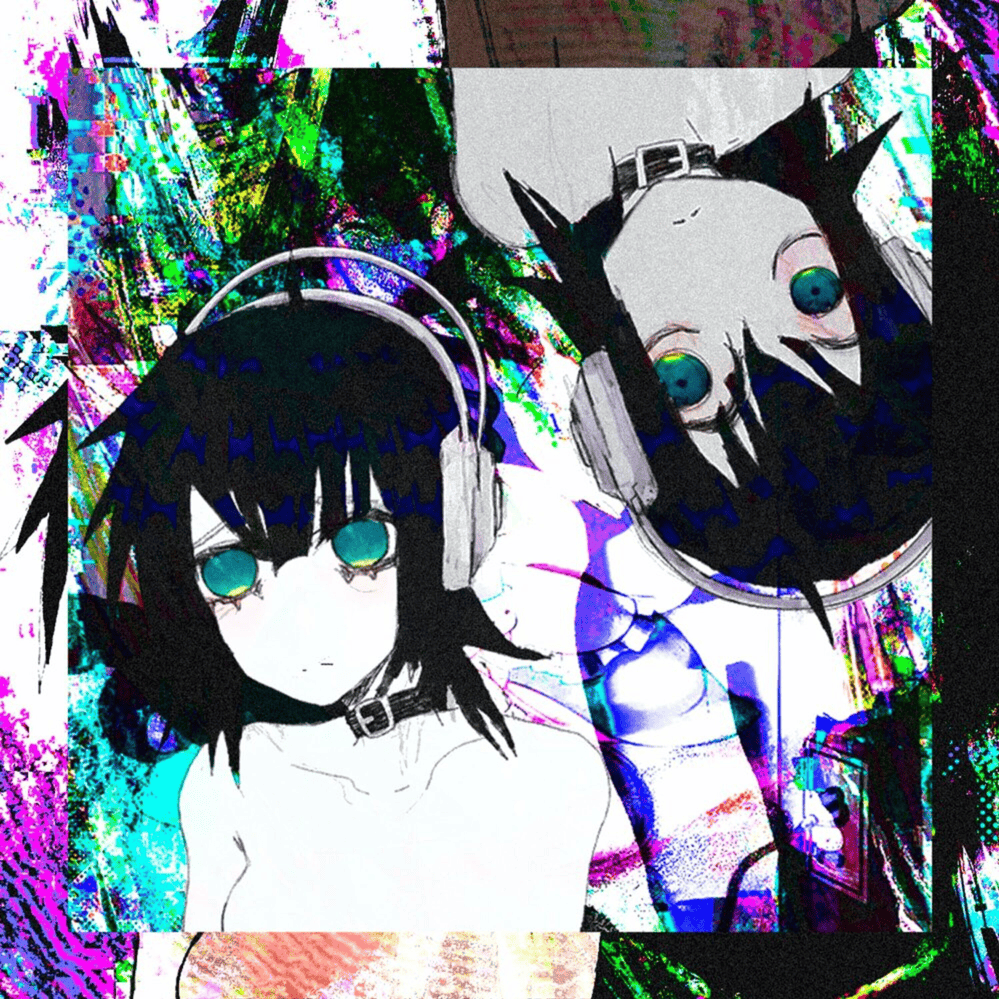
 View Artist