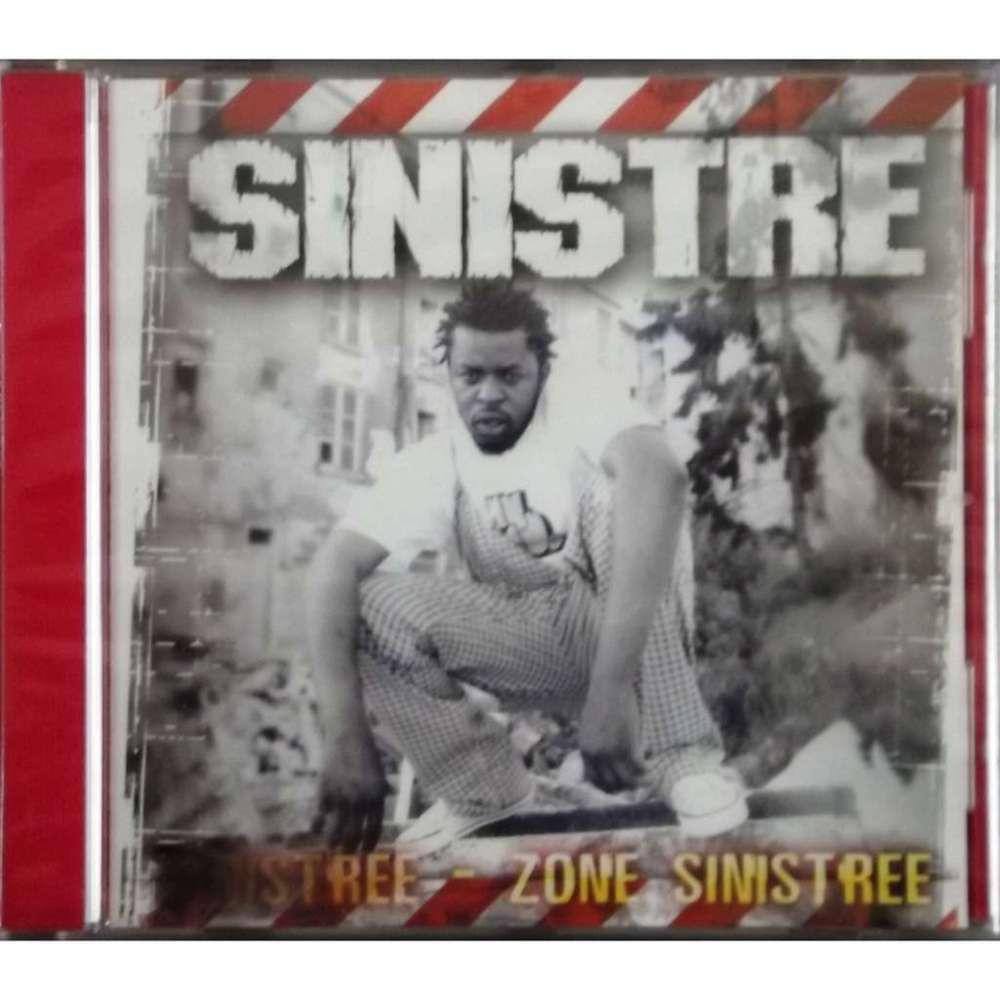
Song Meaning
The lyrics paint a grim portrait of a city, explicitly named Paname City, presented as a "zoo des hommes" – a human zoo. The opening immediately establishes a tone of decay and corruption, listing "Drogue, sexe, crime, Sida" as pervasive elements. The narrator describes death as a readily available, indiscriminate force, likening it to a "salope" that anyone can catch. This sets the stage for a brutal depiction of society where betrayal and vice are rampant, with "traîtres, des putes, des judas" contributing to a sense of impending doom, as "Demain y a mort d'homme."
The central tension arises from the narrator's cynical observation of societal decay juxtaposed with a perceived indifference from others. The lyrics question the audience's presence and their perception of time, asking "Vous tuez l'temps, vous croyez quoi ? / Qu'on a du temps à perdre, eh merde." This suggests a frustration with superficial engagement, contrasting the harsh reality of the "zoo" with the perceived idleness of those observing it. The mention of "C.R.S., ze-ga" and "foutre les lascars sauvages en ge-ca" hints at a repressive force attempting to contain the chaos, ironically questioning who truly saves anyone in this environment.
The most striking craft element is the stark, almost clinical listing of societal ills, creating a sense of overwhelming bleakness. The imagery shifts from the abstract dangers of "mort" to concrete, albeit grim, scenes like "anthropophagie" and the transactional nature of "l'amour sans cœur" sold at the end of the street. The closing lines, "Des pigeons à Pigalle, l'enfer sous l'Sacré-Cœur," provide a powerful, ironic contrast, placing a symbol of sacredness directly above a depiction of hell, reinforcing the idea that even places of supposed sanctity are tainted by the pervasive corruption.
These lyrics hit hard because they refuse to romanticize or offer easy answers. The raw, unflinching language forces the listener to confront a harsh urban reality. The narrator's voice is one of bitter witness, cataloging the degradation without redemption, making the "zoo des hommes" feel like an inescapable, suffocating environment where hope is as scarce as genuine connection.