Song Meaning
The lyrics paint a grim portrait of a figure defined by violence and a dark inner nature. Initially presented as a historical or mythical warrior, denounced for his beliefs and known as the "emperor of the Huns," the narrative quickly shifts to internal torment. The repeated phrase "Drenched in the blood of man" establishes a visceral connection to bloodshed, not for personal gain, but to "defend the honor of his master." This suggests a life lived in service to a destructive power, devoid of personal conviction or compassion.
The core tension lies between outward actions and an inescapable inner darkness. The narrator confesses, "The beast is still inside of me," a chilling admission that transcends mere historical brutality. This internal "beast" is linked to "different crimes of flattery" and "butchery," implying a moral corruption that fuels the destructive impulses. The haunting presence of "fallen angels" further amplifies this sense of damnation, suggesting a spiritual battle that the narrator is losing.
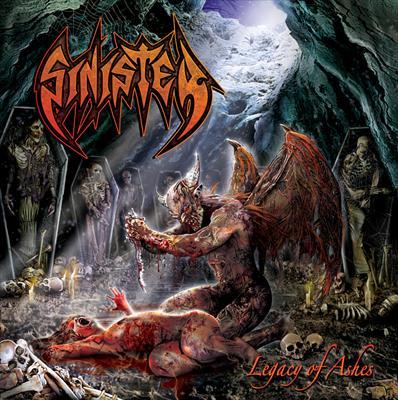
The most striking element is the relentless repetition of "Legacy of ashes." This phrase acts as a stark epitaph, reducing a life of conquest and violence to mere desolation. It’s a powerful, minimalist summation that underscores the ultimate futility of the narrator's actions. The imagery of feasting on "bloated miscreants" and confronting the "beast" solidifies the narrator's self-perception as a monstrous entity, trapped in a cycle of destruction.
Ultimately, these lyrics resonate through their unflinching portrayal of a soul consumed by its own capacity for cruelty. The writing avoids easy answers, instead presenting a raw, almost primal depiction of a being defined by its violent legacy and the inescapable "beast" within. The stark, declarative sentences and the overwhelming sense of doom create a potent, unsettling effect, leaving the listener with the chilling finality of "legacy of ashes."
 View Artist