Song Meaning
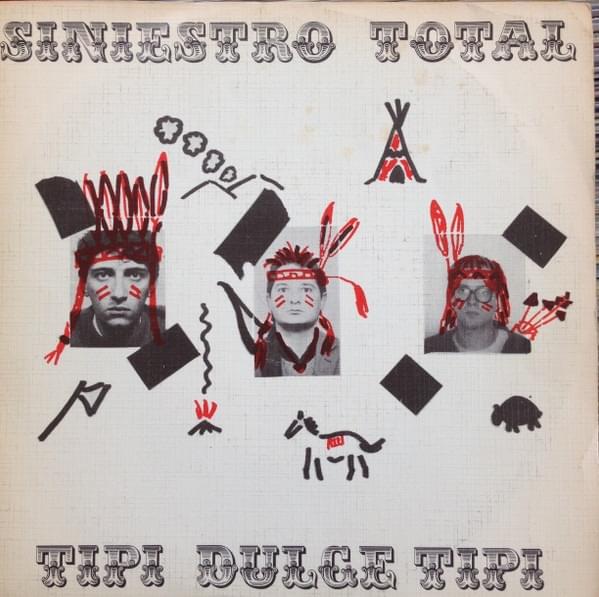
The lyrics paint a picture of a joyful gathering among a group referred to as "todos los indios," who are depicted as content and actively engaged in their activities. The repeated phrase "Manitú, Manitú" acts as a rhythmic chant, grounding the scene in a sense of communal spirit and perhaps invoking a spiritual element. The initial verses establish a sense of movement and purpose, with the group traveling "río adentro" (upriver) in their canoes, suggesting a journey towards a specific destination or event.
The narrative shifts to a sense of urgency as "señales de humo" (smoke signals) warn of arriving late, prompting them to "darnos prisa" (hurry up). This introduces a lighthearted tension, a playful race against time. The reason for the haste is revealed to be a birthday celebration for "Toro Sentado" (Sitting Bull), a figure who, within the context of these lyrics, is being honored with "agua de fuego" (firewater) and festivities.
The craft here lies in its simple, almost childlike depiction of a celebratory scene, juxtaposing traditional imagery like smoke signals and canoes with more mundane party elements like playing cards and cutting a cake. The repetition of "Manitú, Manitú" and the interjection "Hau, Hau!" create a sing-song, almost primal rhythm that underscores the communal and perhaps idealized nature of the gathering. The lyrics present a straightforward, unburdened joy, focusing on shared activities and celebration.
Ultimately, the effectiveness of these lyrics stems from their uncomplicated portrayal of camaraderie and festivity. By focusing on shared actions – traveling, signaling, celebrating, playing, and sharing cake – the song creates a feeling of simple, unadorned happiness. The recurring "Manitú, Manitú" chant and the "Hau, Hau!" exclamations contribute to an atmosphere of lighthearted, communal enjoyment, making the celebration feel immediate and inclusive.
 View Artist