Song Meaning
The lyrics open with a stark observation: life's luck is unevenly distributed, "Kao rulet okreće se." This sets a fatalistic tone from the jump. The central refrain, "Nema para, nema sreće," quickly establishes a cynical link between wealth and well-being. It's a blunt assessment of a common, if disheartening, worldview.
A core tension emerges between this perceived reality and a yearning for something more. The speaker directly confronts someone who "bi sreću da kupuješ," highlighting a transactional approach to joy. This pursuit, however, is framed as futile, with the fatalistic declaration that "ništa ne menjaš" – implying a lack of control over one's ultimate fate, despite material efforts.
The insistent repetition of "Nema para, nema sreće" throughout the chorus isn't just a statement; it's almost a societal echo. But the crucial addition, "To je sve što znaš," transforms it from a universal truth into a critique. It suggests a limited perspective, implying the listener (or society) is trapped in a narrow understanding, unable to see beyond the material.
The lyrics truly hit their stride in the third stanza, offering a profound counterpoint: "Sreća, to je nešto drugo što ti ne shvataš." This line pulls back the curtain, suggesting happiness is an elusive, independent force that "Sama dođe, sama ode," regardless of what one tries to give it. This contrast between the transactional view of happiness and its inherently uncontrollable nature is what makes these lyrics resonate, challenging listeners to look beyond superficial definitions of contentment.
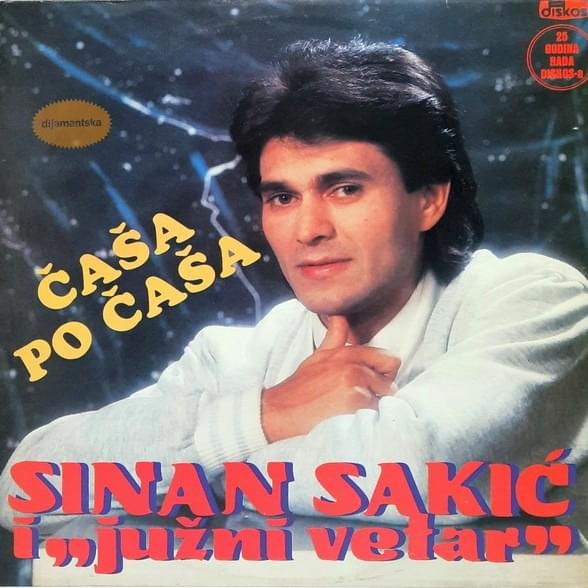
 View Artist