Song Meaning
The lyrics paint a picture of a strained relationship where one person is leaving, making promises to return that seem hollow. There's a palpable sense of childish manipulation, with the departing figure finding amusement in the other's distress, a dynamic that deeply wounds the narrator. This playful cruelty underscores a profound disconnect, as the narrator perceives the slow decay of their life while the other feigns ignorance.
The central tension lies in the narrator's desperate plea against the other's apparent indifference and fear of commitment. The line "Você me perdendo com medo de amar" (You losing me out of fear of loving) is particularly sharp, suggesting the departure isn't just a physical act but a self-sabotaging retreat from genuine connection. The narrator recognizes the futility of waiting, a process that drains their will to live.
The most striking element is the stark contrast between the narrator's acute awareness of time's passage and the other's dismissive attitude. "A vida acaba um pouco todo dia" (Life ends a little bit every day) is a heavy observation, met with the other's "fingir não saber" (pretending not to know). This deliberate ignorance amplifies the narrator's isolation and the perceived waste of precious moments.
Ultimately, the lyrics resonate because they capture the agonizing feeling of being left behind by someone who is simultaneously present and absent, their fear of intimacy creating a chasm the narrator can no longer bridge. The repeated "Olha" (Look) serves as a desperate, urgent call to attention, a final attempt to make the other see the devastating consequences of their actions before it's irrevocably too late.
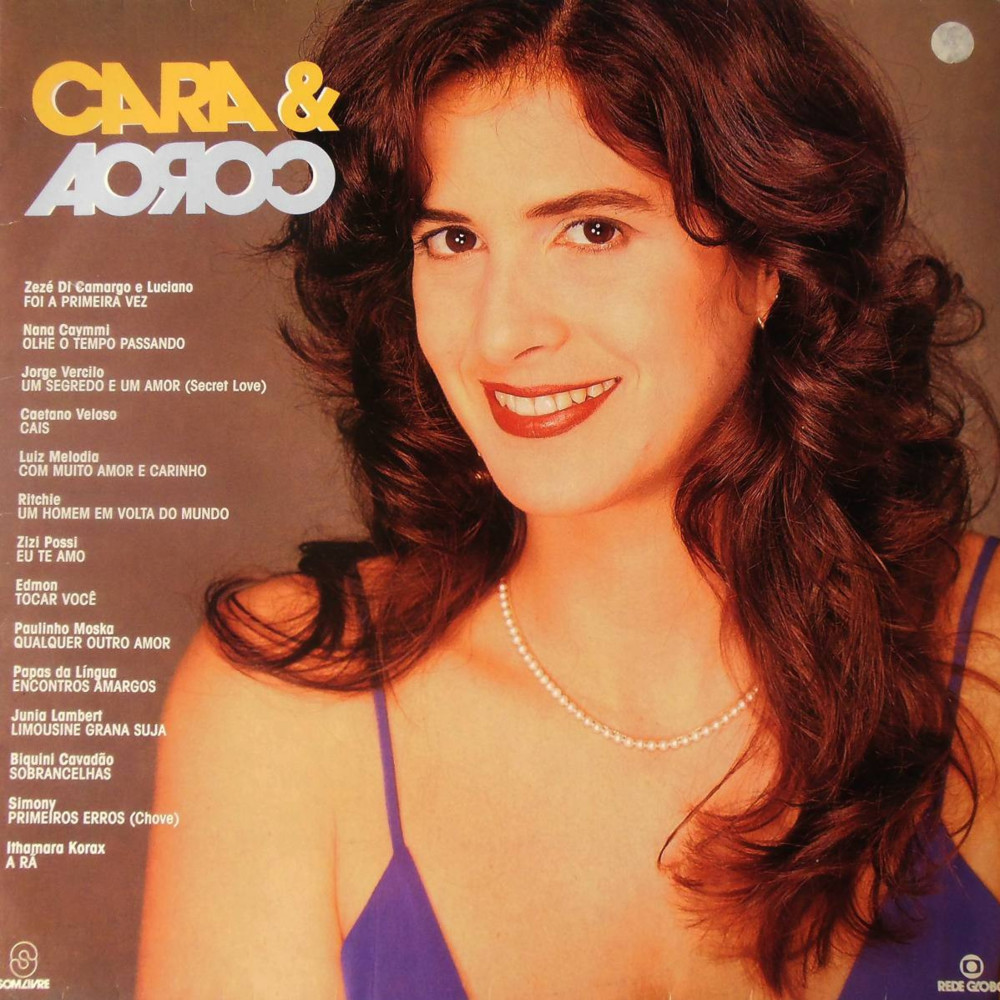
 View Artist