Song Meaning
This track paints a picture of two distinct kinds of longing. On one hand, remembering a lost love purely for the sake of memory can be a comforting exercise, a way to affirm a present happiness by contrasting it with past suffering. The lyrics suggest this kind of saudade, or yearning, is almost pleasant, a gentle reminder of what one has overcome. It’s a way to feel good about not having suffered.
However, the mood shifts dramatically when the longing becomes an active desire for reunion. When the memory of a lost love morphs into a yearning to see them again, the saudade transforms into a painful, gnawing ache. The narrator explicitly states, "Saudade, entonce aí é ruim," indicating this active longing is a source of deep suffering. This is the kind of pain that makes one "vivo doido a sofrer," or living crazy in suffering.
The core of the song’s emotional weight lies in this contrast. The lyrics use the potent image of the jiló fruit, known for its bitter taste, to describe the sharp, unpleasant nature of this active longing: "amarga qui nem jiló." This isn't a gentle recollection; it's a raw, painful ache that consumes the narrator, making them "doido a sofrer."
Despite this intense internal suffering, the narrator insists on maintaining a brave face. They declare, "Mas ninguém pode dizer que me viu triste a chorar," highlighting a stoic resolve. The ultimate coping mechanism presented is not suppression, but expression through song: "Saudade, o meu remédio é cantar." This reveals a powerful resilience, turning personal pain into a creative outlet and a form of self-prescribed healing.
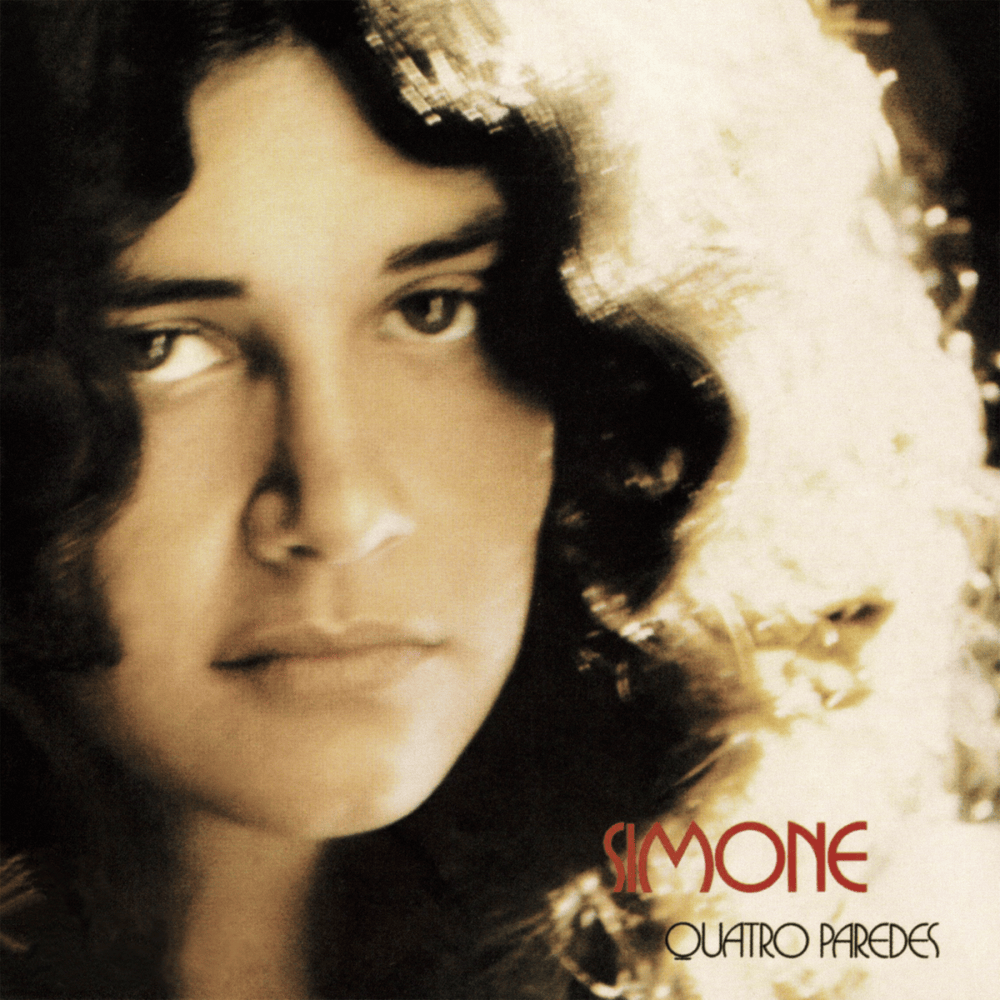
 View Artist