Song Meaning
The lyrics paint a picture of a sudden, overwhelming emotional experience, likening it to a violent storm or a ship set ablaze. The narrator recounts a moment of intense passion that felt divine, a belief that they commanded the very elements. This initial feeling of absolute control and divine connection quickly dissolves into a stark realization of loss and denial.
The central tension lies in the stark contrast between the narrator's initial perception of absolute possession and divine power, and the subsequent reality of profound loss. They believed the beloved's warmth was theirs to command, a feeling that had been burning for months, only to realize they had denied this love thrice, mirroring a biblical betrayal. This internal conflict between perceived ownership and actual denial fuels the song's emotional core.
The craft here is potent, particularly in the extended metaphor of the ship and the elements. The shift from the grandiosity of thinking they were God and the seas were theirs, to the intimate and devastating act of denial, is jarring. The repeated "mel" (honey) initially signifies sweetness and desirability, but the act of drinking it like a departing sailor suggests a fleeting, perhaps even self-destructive, indulgence that precedes the inevitable loss.
What makes these lyrics hit so hard is the way they capture the disorienting whiplash of intense emotion followed by crushing regret. The narrator's grand illusions of control and divine connection are shattered by the simple, brutal fact of denial and loss. The final lines, "Mas a natureza vira a mesa da razão" (But nature turns the table of reason), perfectly encapsulate how primal feelings and circumstances can override logic, leaving the narrator adrift and irrevocably changed by a moment that felt like everything.
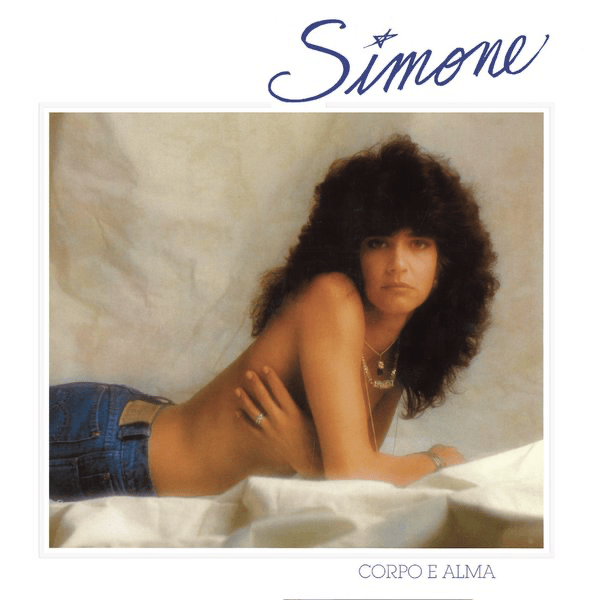
 View Artist