Song Meaning
The lyrics paint a picture of a couple deeply intertwined, yet paradoxically fractured. The opening lines declare a profound unity, "we are one," but immediately undercut it with the idea that this oneness results in each person losing "half of themselves." This suggests a relationship where individual identities are dissolving, not necessarily in a healthy, symbiotic way, but perhaps through a loss of self.
The central tension lies in the contrast between physical closeness and emotional distance. While they "sleep together," their dreams are "separated," and these unspoken divergences are things they "will never confess." This creates a fragile intimacy, built on a foundation of hidden truths and "small betrayals," or what the lyrics call "diplomatic lies." The narrator acknowledges these deceptions stem from "pure intentions," adding a layer of complex justification to their actions.
The most striking craft element is the recurring phrase "estamos condenados" (we are condemned/doomed). This fatalistic outlook frames their union not as a choice, but as an inescapable fate. The lyrics describe how "discreet sins" have formed "this indivisible, so-one being," which they then try to preserve "eternally." The irony is sharp: they attempt to make this incomplete, decent, yet divided entity last forever, highlighting a desperate clinging to a relationship that is already fundamentally broken.
This lyrical construction is effective because it captures the bittersweet ache of a love that is both deeply felt and deeply flawed. The narrator’s confession of their "condemned" state, coupled with the acknowledgment of their "safados" (naughtier/more cunning) pursuit of pleasure and "discreet sins," creates a raw, honest portrayal of a complex, perhaps doomed, romantic entanglement. The language is direct yet poetic, drawing the listener into the couple's shared, yet separate, internal worlds.
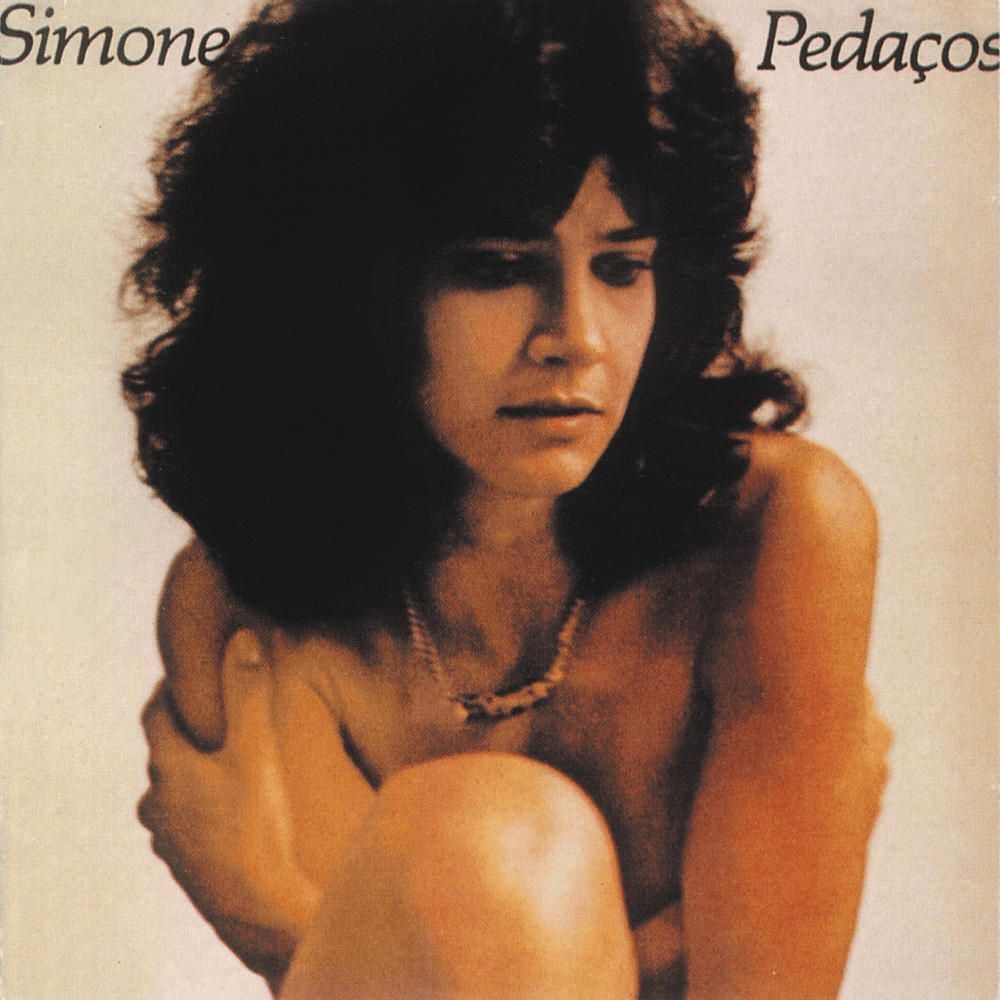
 View Artist