Song Meaning
This song paints a stark picture of love lost and the gnawing emptiness that follows. Initially, the narrator describes a cozy, intimate scene: building a home by the river with a beloved who provided warmth and comfort on cold nights. The imagery of being "abraçava pra me agasalhar" (hugged me to keep me warm) sets a tone of security and deep connection.
However, this idyllic past is shattered by the departure of the loved one, leaving the narrator in a state of profound uncertainty and isolation. The phrase "foi embora e não sei se vai voltar" (went away and I don't know if they'll return) captures the core tension: the agonizing wait for a return that may never come. This absence transforms the once comforting "noites de frio" (cold nights) into a space where "saudade" (longing/nostalgia) will "virá se aninhar" (come to nest) in their "peito vazio" (empty chest).
The repeated, emphatic declaration "A saudade mata a gente" (Saudade kills us) drives home the overwhelming power of this emotional pain. The lyrics don't just describe sadness; they equate it to a fatal condition, a "dor pungente" (pungent pain). This stark metaphor suggests that the emotional suffering is so intense it feels physically destructive, a constant, sharp ache that erodes the narrator's very being.
What makes these lyrics so effective is their directness and the stark contrast between past warmth and present desolation. The simple, repetitive structure of the chorus amplifies the inescapable nature of the narrator's grief. It’s this raw, unvarnished expression of profound loss, anchored by the visceral image of a cold, empty chest, that makes the feeling of saudade so palpable and devastating.
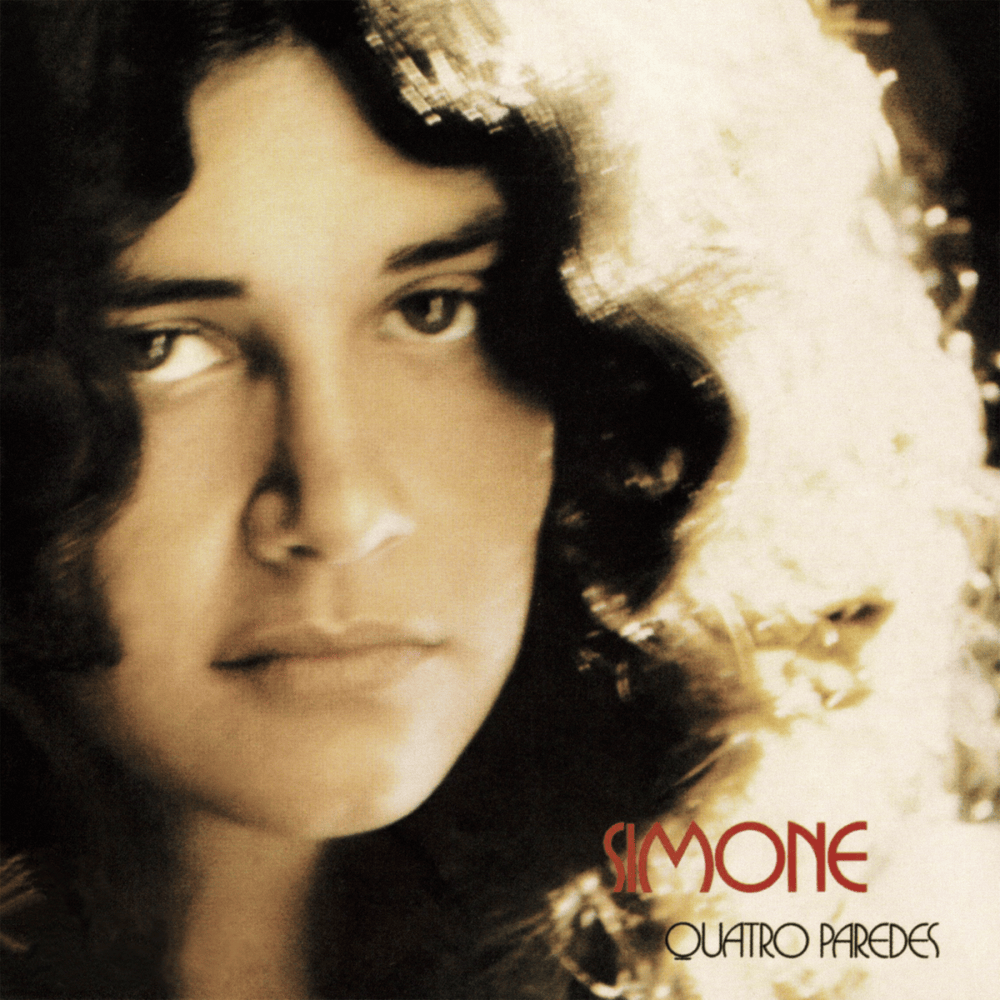
 View Artist