Song Meaning
The lyrics paint a picture of intense, almost spiritual connection, juxtaposed with deep personal insecurity. The opening lines, "Yellow and black / Eyes like the sky," create a striking, almost divine image, calling the subject a "fallen angel / Perfect in every way." This sets up a powerful ideal that the narrator seems to both worship and feel utterly incapable of embodying. The repeated plea, "Break it open / Break me open now," suggests a desire for vulnerability and catharsis, a need to be seen and understood, even if it's painful.
The core tension lies in the narrator's struggle with self-worth against the backdrop of this profound connection. Despite the "beautiful high" and the declaration "I'll never walk away," the narrator admits, "I'm just so insecure." This internal conflict is amplified by external judgment: "Everybody's got their opinions / About me and my decisions." The narrator questions their own value, asking, "Could I pretend you need me?" while simultaneously recognizing the other person's ability to see past their flaws: "She sees through my imperfections."
The most compelling craft element is the interplay between disguise and purification. The narrator confesses, "Shade my lie inside of her / I disguise she purifies my / Mistake one more time." This suggests a dynamic where the narrator hides their true self, their "lie," within the other person, but this very act of hiding is somehow cleansed or made acceptable by the other's presence. The "thin blank lines" where words are lost imply a communication that transcends language, a feeling of being understood on a primal level, leading to a sense of "I'm all right."
Ultimately, these lyrics resonate because they capture the paradoxical human experience of seeking profound connection while battling crippling self-doubt. The raw honesty of the narrator's vulnerability, coupled with the almost devotional language used to describe the other person, creates a powerful emotional arc. The final defiant statement, "This is my only life / I will not live your lie," suggests that this intense, imperfect connection is the very thing that allows the narrator to finally embrace their own truth, rejecting external expectations.
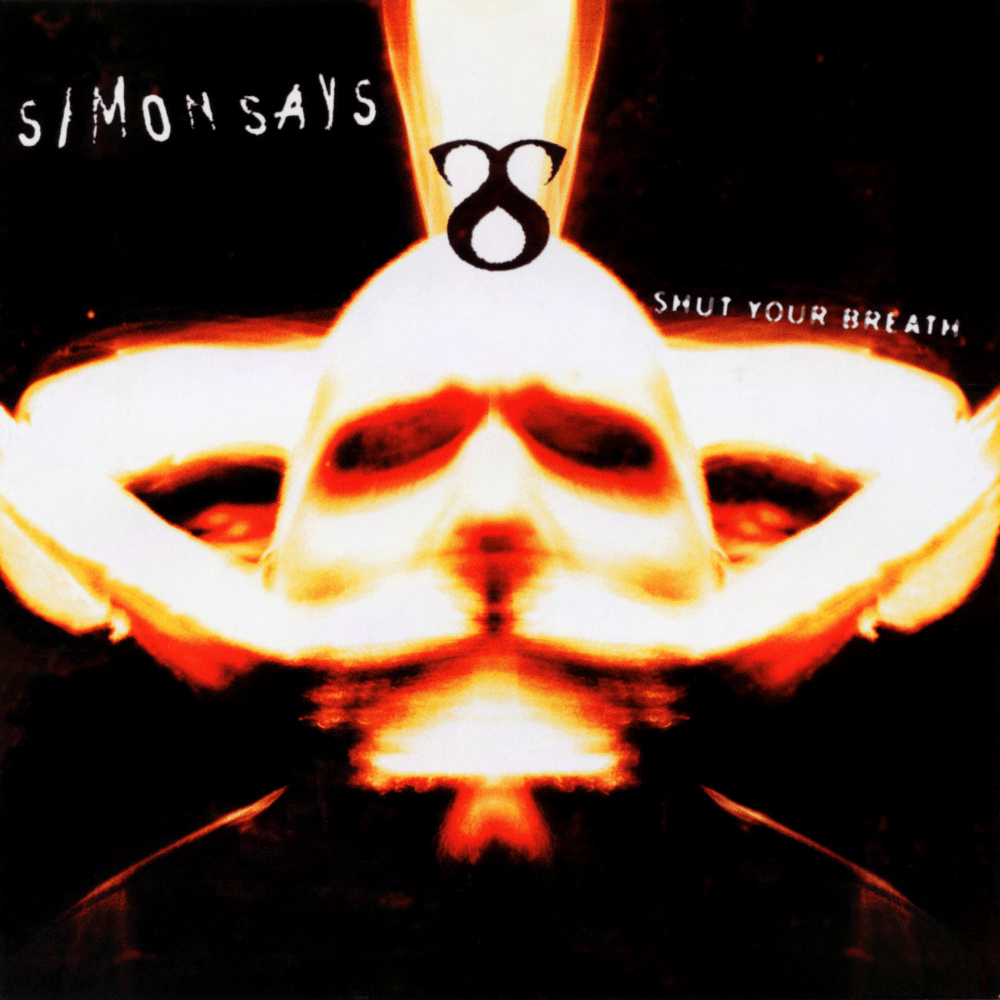
 View Artist