Song Meaning
The lyrics paint a picture of pervasive uncertainty, using the literal "cloudy" sky as a metaphor for a troubled state of mind. The narrator feels the grayness "hanging down on me," a heavy, oppressive presence. This feeling is amplified by the sense of aimless wandering, like a "hitchhike a hundred miles" with a shadow left behind, suggesting a disconnection from their own past or identity. The opening lines establish a mood of passive observation and a subtle, internal weight.
The core tension arises from a mind that is "scattered and cloudy," lacking direction or clear thought. This internal chaos is described as having "no borders, no boundaries," capable of leaping from profound ideas like "Tolstoy" to whimsical ones like "Tinker Bell." This vast, unfocused mental landscape, coupled with the physical journey "down from Berkeley to Carmel," highlights a search for something tangible amidst abstract confusion, carrying only "pictures in my pocket and a lot of time to kill."
The most striking craft element is the personification of the clouds as existential question marks. They "stick to the sky like a floating question, why?" and "linger there to die," mirroring the narrator's own admission: "They don't know where they are going, and, my friend, neither do I." This shared bewilderment creates a powerful, understated connection between the external environment and the internal state, emphasizing a profound lack of answers.
Ultimately, the effectiveness of these lyrics lies in their quiet portrayal of a relatable, disorienting feeling. The simple, repetitive "Cloudy" refrain grounds the abstract anxieties in a tangible image. The narrator's passive acceptance of their own confusion, mirrored in the clouds' aimless drift, resonates because it captures a specific kind of existential ennui without demanding grand pronouncements. It’s the feeling of being adrift, acknowledged with a gentle, melancholic shrug.
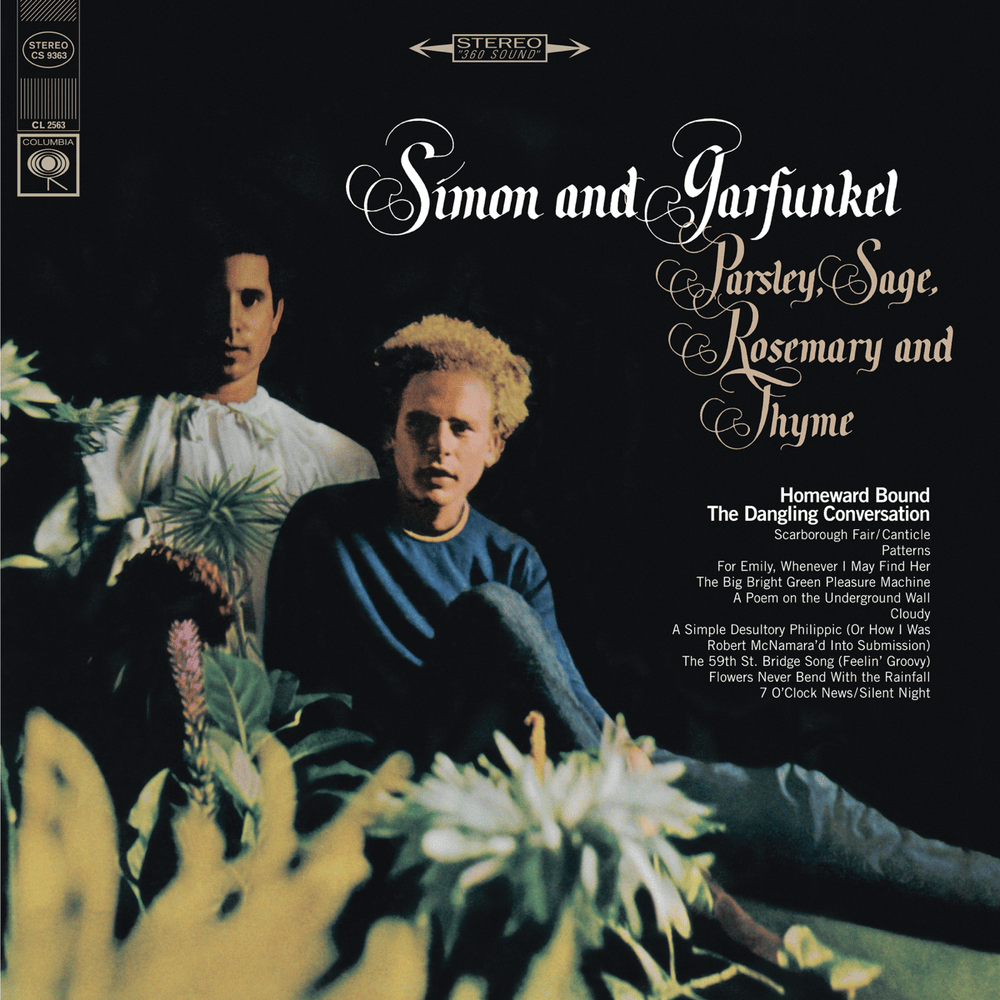
 View Artist