Song Meaning
The lyrics paint a poignant picture of a love affair that mirrors the changing seasons, starting with the hopeful bloom of spring and ending with the chill of autumn. The narrator anticipates April's arrival, a time of "streams ripe and swelled with rain," and wishes for "May, she will stay / Resting in my arms again." This initial imagery suggests a period of warmth, abundance, and deep connection, where love feels as natural and inevitable as the spring thaw.
However, this idyllic vision quickly shifts as the seasons progress. June brings a "restless" energy, a "tune" that's changing, hinting at a growing unease or a desire for something more. By July, "she will fly / And give no warning to her flight," a stark image of sudden departure and abandonment. The narrator is left to confront the inevitable decline, as "August, die she must," and the "autumn winds blow chilly and cold."
The most striking aspect of the writing is its personification of the months, treating them as a lover whose presence and affections are as transient as the weather. The narrator doesn't directly lament the loss but rather observes the cyclical nature of their relationship, mirroring the natural world's progression from life to decay. The final lines, "September, I'll remember / A love once new has now grown old," encapsulate this passive acceptance of change and the bittersweet ache of memory.
This lyrical approach makes the song’s emotional weight land with a quiet, profound impact. By framing the end of a relationship within the predictable, yet sorrowful, cycle of the year, the lyrics evoke a sense of inevitable loss that feels both personal and universal. The simple, direct language allows the listener to feel the narrator's resigned sorrow without overt melodrama, making the fading of love feel as natural and heartbreaking as the end of summer.
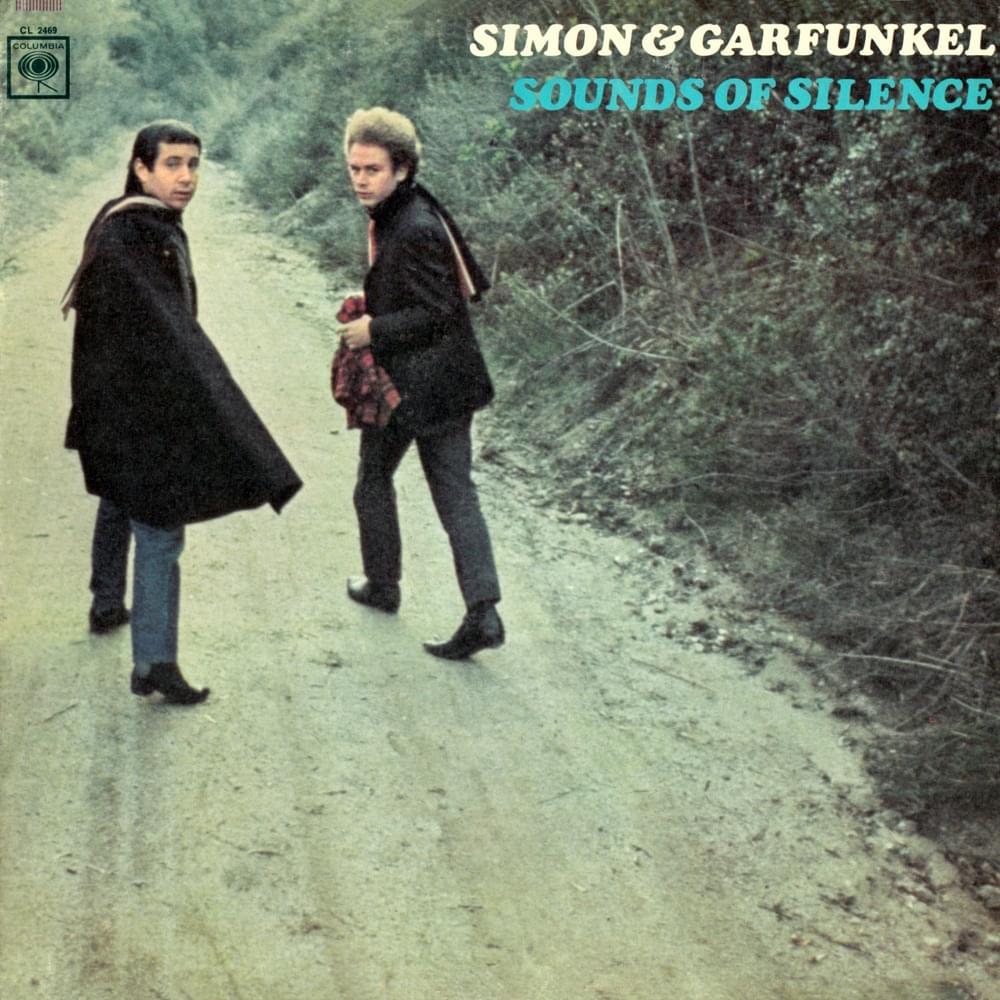
 View Artist