Song Meaning
The lyrics paint a stark picture of a solitary figure in a deserted subway station, waiting for a train that represents an opportunity or an escape. The dominant tone is one of anxious anticipation, amplified by the closing "underground" and the "shadows" where the man waits. His "restless eyes leap and scratch" suggest a mind that can't settle, a desperate search for something to latch onto in the sterile, impersonal environment. The scene is set for a moment of potential connection or departure, but the narrator remains isolated.
The central tension arises from the man's internal state versus the external world. He clutches a "colored crayon," a childlike tool of expression, like a "rosary," imbuing it with a desperate, almost religious significance. This contrasts sharply with the industrial setting and the impending arrival of the "carriage." When the train arrives, offering "welcome doors," he "hesitates, then withdraws," choosing deeper isolation over the offered passage. This suggests a profound internal conflict, a fear or inability to engage with the world as it presents itself.
The most striking craft element is the transformation of the crayon into a "crayon rosary" and then its use to "slash" a "single worded poem comprised of four letters" on the advertising. This act of graffiti, usually seen as vandalism, is framed here as a desperate, almost sacred act of creation. The "stony womb" of the tunnel giving birth to the "carriage" is a powerful image of the mechanical world, while the man's heart "laughing, screaming, pounding" as he creates his poem reveals an explosive release of pent-up emotion. The final lines, seeking the "breast of darkness and be suckled by the night," suggest a return to a primal, perhaps more comforting, state of oblivion after the brief, intense act of self-expression.
This writing is effective because it grounds abstract feelings of anxiety and the need for expression in concrete, evocative imagery. The contrast between the sterile "underground" and the intensely personal act of drawing a "poem" creates a powerful emotional resonance. The narrator’s ultimate withdrawal from the train, followed by his explosive creative act, captures a complex human impulse to both connect and retreat, to leave a mark while seeking solace in darkness. The lyrics make the listener feel the weight of unspoken emotions and the desperate, almost defiant, need to communicate them, even in the most unlikely of spaces.
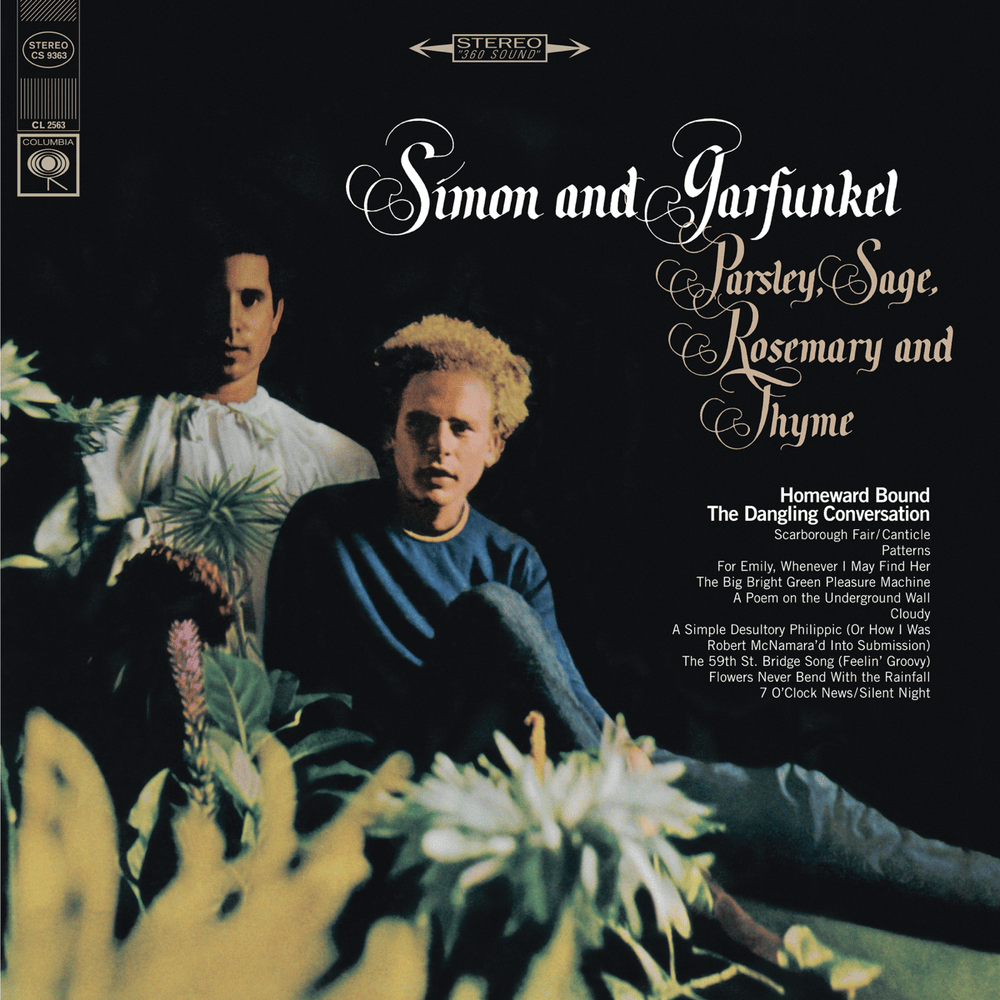
 View Artist