Song Meaning
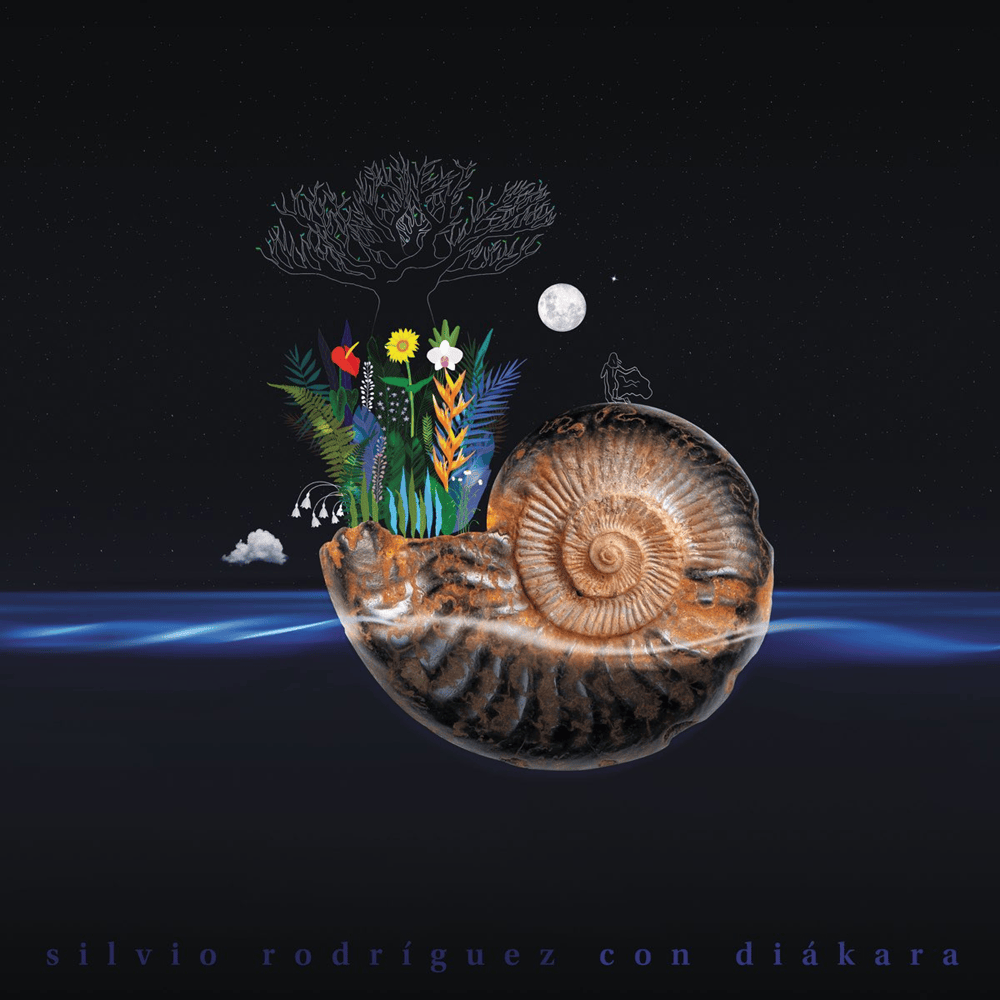
The lyrics present a profound desire for rebirth and a radical reimagining of existence. The narrator calls out "Mira" (Look), signaling a pivotal moment of transformation, where they intend to "nacer de nuevo" (be born again). This isn't just a wish for a fresh start, but a complete re-selection of fundamental elements: the cradle's fabric, the universe's latitude, and even primal elements like "fósiles y fuego primitivo" (fossils and primitive fire). The goal is explicit: "ser lo que no he sido" (to be what I haven't been), suggesting a deep dissatisfaction with the current self or past experiences.
The second verse continues this theme of self-discovery, but with a crucial shift in intent. The narrator aims to "descubrir el arcoíris" (discover the rainbow) and sit "al final de cada lluvia" (at the end of each rain), but importantly, "Sin ideas de desenterrarte el oro" (Without ideas of digging up gold for you). This detachment from external reward or perhaps a specific other person is key; the pursuit is for its own sake, avoiding the temptation of "tocar el espejismo" (touching the mirage) or engaging in "malabarismos" (juggling/tricks). It's a pure, unadulterated exploration.
The chorus, "Me voy a convertir en animal para después crecer / Para después crecer" (I'm going to become an animal to then grow / To then grow), is a striking image of regression and primal development. This isn't about losing humanity, but about returning to a more fundamental state from which true growth can occur. The subsequent lines, "Aprenderé a cazar con pedernal para luego saber / Para luego saber" (I will learn to hunt with flint to then know / To then know), emphasize a return to basic survival skills and a pursuit of knowledge rooted in direct experience, not abstract concepts.
The final verse brings this transformative impulse towards a more complex, human-centered reality. The narrator anticipates arriving "a las canciones" (to the songs) and then "a la cordura" (to sanity), but with a poignant condition: "Apretando el corazón contra los hombres" (Clutching the heart against men). This suggests a difficult integration, carrying the raw emotion of their primal rebirth into social interaction, mimicking feelings with words, "Con palabras imitando sentimientos" (With words imitating feelings). The repeated "Mira" at the end underscores the ongoing, perhaps overwhelming, nature of this profound internal shift.
 View Artist