Song Meaning
The lyrics open with a tender address to "Madre" on her special day. It's an offering of love and a collective promise. But beneath this affectionate surface, a deeper, more urgent narrative quickly emerges.
This initial tenderness is swiftly complicated by a striking command: "que tu nostalgia se vuelva el odio más feroz." The speaker urges the "Madre" to transform sorrow into fierce defiance. This tension between comfort and struggle is further highlighted by the practical plea for "tu arroz" alongside the grand promise that "la primavera volverá," suggesting both immediate needs and enduring hope.
The true genius of these lyrics lies in the powerful redefinition of "Madre" itself. A parenthetical interjection explicitly clarifies: "-Madre Patria y Madre Revolución-." This revelation recontextualizes every preceding line, transforming a personal figure into a potent symbol of nation and ideological struggle. The collective "con las vidas construímos tu canción" now carries the weight of national sacrifice.
This merging of the intimate and the epic makes the lyrics profoundly effective. The abstract ideals of freedom and revolution are grounded in the deeply personal image of a mother, making the struggle feel tangible and emotionally resonant. The poignant acknowledgment of "los que no estemos" to sing this song, yet doing so "por tu amor," underscores a profound, enduring dedication. It's a powerful testament to sacrifice, love, and unwavering commitment to a cause, even as "Tus muchachos barren minas" in distant lands.
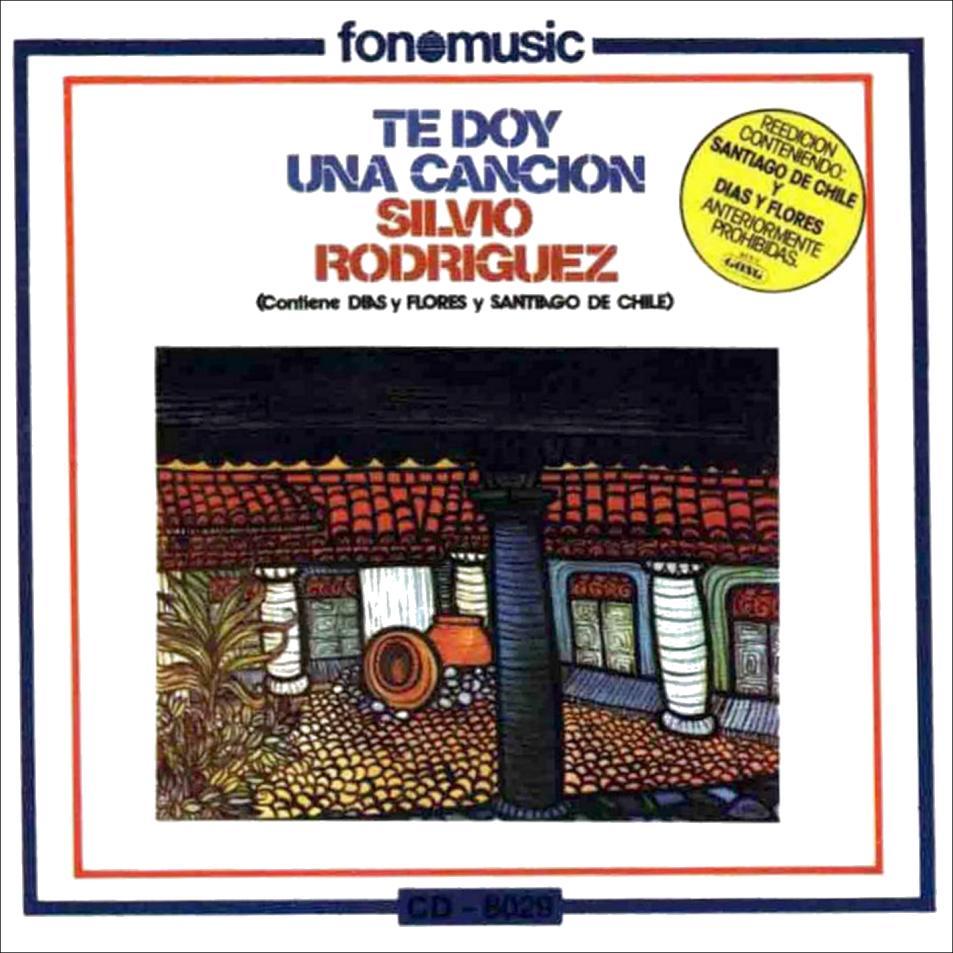
 View Artist