Song Meaning
The lyrics paint a vivid picture of childhood innocence, where playing "God" was a simple act of imagination within the confines of school. This wasn't about power, but about the boundless joy of "winning," sailing high on imaginary ships, and leaping into the sun without a care for future hurts. The narrator recalls a time of "no hours, no luxuries," just the pure, unadulterated pleasures of play: balls, jokes, and drawings.
This idyllic past is contrasted sharply with the present, marked by the departure of "well-fated time." The narrator now extends an invitation, not to relive those grand illusions, but to discover a different kind of divinity: a "modest, worn-out heart." This heart, upon seeing the addressee, remembers its own capacity for love, transforming from something ordinary into a "god in love."
The most striking craft element is the recurring phrase "Jugábamos a Dios" (We played God), which shifts from representing a childish, carefree omnipotence to a more profound, albeit humbled, divine state. The imagery of "chalk, blackboard, and school" grounds the initial divine play in a specific, relatable setting, while the later description of a "modest, worn-out heart" anchors the present emotional reality. The transformation from "giants, divine" to a "god in love" highlights a maturation of perspective.
These lyrics resonate because they capture the universal ache for lost innocence and the surprising rediscovery of profound emotion in the face of life's wear and tear. The writing skillfully contrasts the grand, unburdened play of youth with the quieter, more resonant power of love found in maturity. It suggests that true divinity isn't about control, but about the capacity to feel deeply, even when "worn-out."
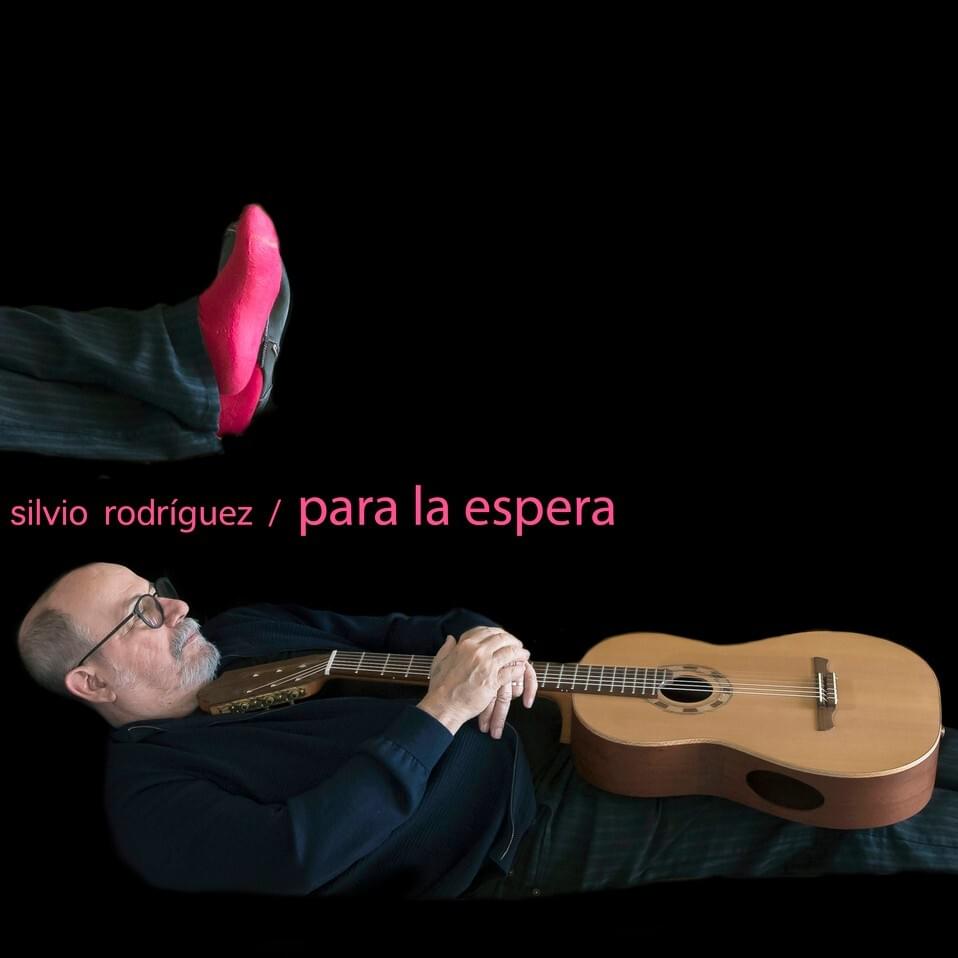
 View Artist