Song Meaning
The lyrics paint a stark picture of being overwhelmed and buried by circumstances, a feeling amplified by the repetitive weight of "Com pesa la terra" (How the earth weighs). This crushing sensation is visceral, leading to a sense of suffocation and burial. The narrator feels utterly devoid of substance, repeating "Jo no tinc ni sóc res" (I have nothing nor am I anything), highlighting a profound lack of self and possession.
Amidst this despair, a figure named Núria observes from the narrator's past, described as a "Donzelleta del mar" (little maiden of the sea) guided by a blind mother. This figure seems to represent a path towards higher ground, a potential escape or spiritual guidance, yet the narrator remains unable to perceive or grasp it. The contrast between Núria's apparent intuition and the narrator's blindness to a way out is a central tension.
The lyrics employ powerful, almost primal imagery of being "perduda i venuda" (lost and sold) and "poruga i vençuda" (fearful and defeated). The repeated phrase "pena salada" (salty sorrow) directly links tears to a deep, ingrained sadness, suggesting a sorrow so profound it's almost a physical state. The overwhelming sense of ownership by others – "Tot és seu" (Everything is hers), "La terra és seva" (The earth is hers), "La casa és seva" (The house is hers) – culminates in a desperate assertion of identity, "Jo sóc seva" (I am hers), a surrender that feels both like a loss of self and a final, albeit bleak, belonging.
This raw expression of helplessness and the struggle for identity, grounded in concrete images of earth, sea, and night, creates a potent emotional landscape. The writing's effectiveness lies in its unvarnished depiction of feeling buried and lost, using repetition and stark contrasts to convey a deep sense of existential weight and the desperate search for a place to belong, even if that belonging is a form of defeat.
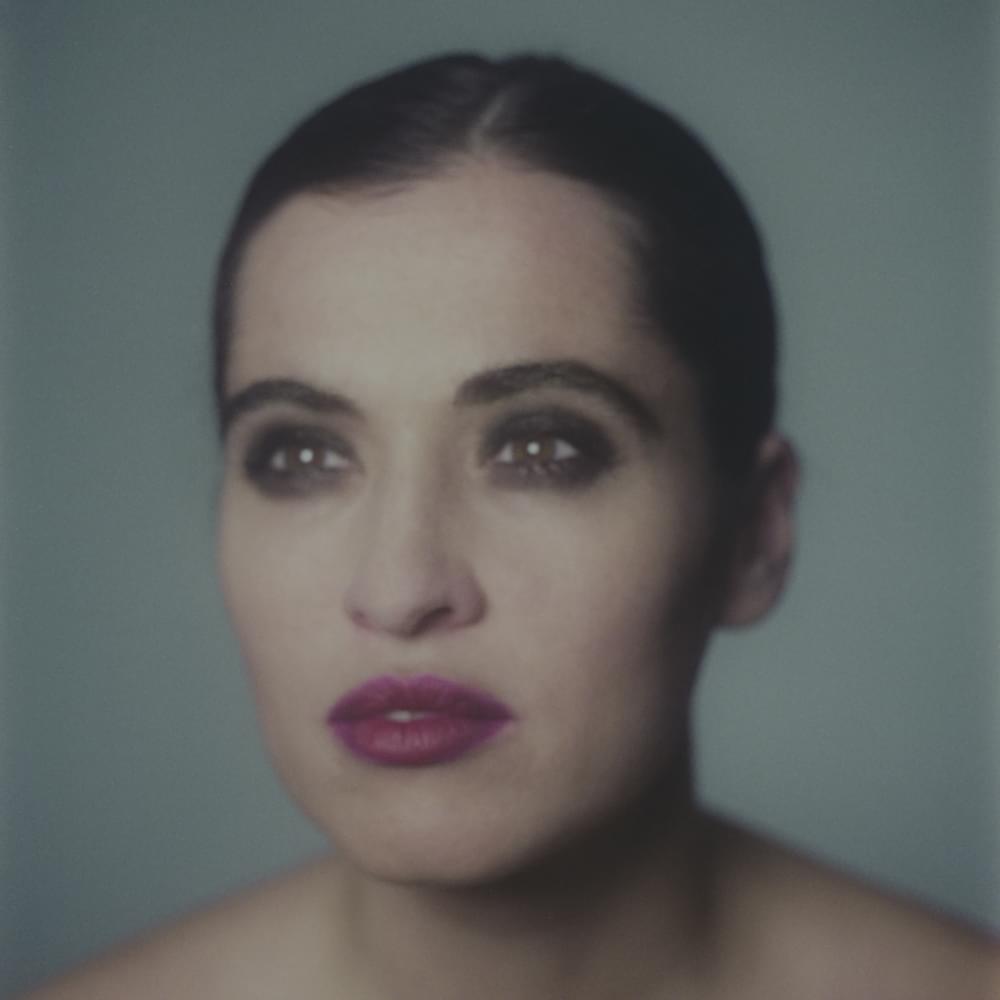
 View Artist