Song Meaning
The lyrics paint a stark, surreal scene of a figure cradling something ominous, described as "Covava l'ou de la mort blanca" (It hatched the egg of white death), held "Sota l'aixella, arran de pit" (Under the armpit, close to the chest). This intimate, almost maternal gesture is directed towards a harbinger of night, "L'ombra de l'ala de la nit" (The shadow of the wing of the night), which the narrator "cegament alletava" (blindly nursed). The dominant tone is one of profound dread and a desperate plea for shared sorrow, encapsulated in the repeated refrain, "No ploris per mi mare, plora amb mi" (Don't cry for me mother, cry with me).
The central tension arises from the simultaneous nurturing of death and the overwhelming fear it inspires. A "rosa monstruosa" (monstrous rose) with a "Botó de glaç" (ice bud) bursts forth, from which a cry emerges, amplifying the narrator's own distress. This is not a passive suffering; the narrator is actively engaged in a precarious act, contorting "Agafada a la mà de l'esglai" (Clinging to the hand of fright) on a "trapezi" (trapeze) where their "peus vacil·lants" (wavering feet) threaten to fall. The mother's tears are requested not for pity, but to merge with the narrator's own, forming a net "Sota els meus peus vacil·lants" (Under my wavering feet), suggesting a shared burden that might offer a fragile support.
The most striking craft element is the juxtaposition of the sacred and the profane, the intimate and the terrifying. The act of nursing, typically associated with life and sustenance, is here applied to "white death" and the "shadow of the wing of the night." The voice of the narrator is compared to a "castrat" (castrato) whose song "s'eleva fins a l'excés de la / Mancança" (rises to the excess of lack), originating from "la pèrdua que sagna" (the loss that bleeds). This voice, though elevated and crystalline like a spring, stems from a profound void, a "deu primera" (first spring) of sorrow, highlighting the paradoxical beauty found within deep suffering.
These lyrics resonate because they articulate a specific, visceral experience of being overwhelmed by an internal or external darkness, one that is both embraced and feared. The imagery of the trapeze and the monstrous rose creates a vivid sense of precariousness and grotesque beauty. By asking the mother to cry *with* them, the narrator seeks not solace but a shared acknowledgment of the abyss, transforming a solitary struggle into a communion of grief, where even the highest, most crystalline song is born from a fundamental lack and bleeding loss.
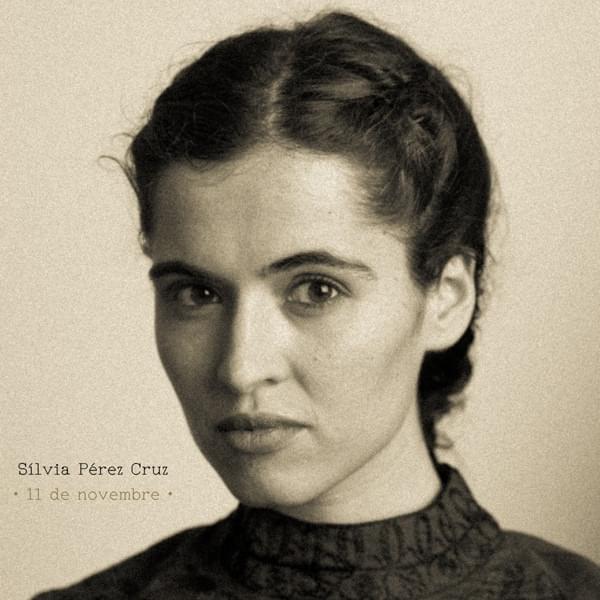
 View Artist