Song Meaning
The narrator addresses companions, revealing a deep yearning for peace and love, personified by the "white moon" and the "siren." There's a palpable sense of longing for connection and beauty, but this desire is consistently held back by the stark reality of ongoing conflict. The repeated phrase "encara hi ha combat" (there is still combat) acts as a heavy anchor, preventing the narrator from pursuing these gentler, more intimate aspirations.
The central tension lies between the desire for personal fulfillment and the demands of a larger struggle. The narrator wishes to "go love" the moon and "go see" the siren, but the "combat" makes these acts impossible. This isn't just a personal desire for romance; it's a yearning for a life free from strife, a life where such simple beauties can be appreciated and pursued without impediment. The narrator has actively chosen to become a soldier "to be able to live" these free springs, highlighting a profound sacrifice.
The lyrics employ poignant imagery to underscore this conflict. The "white moon" and the "siren's lair" represent idealized, perhaps unattainable, states of peace or love. In contrast, the "red flowers" and "songs" are offered as a final testament should the narrator fall. This juxtaposition of gentle natural imagery with the harshness of war creates a powerful emotional resonance. The conditional "Si guanyem el combat" (If we win the combat) and "Quan guanyem el combat" (When we win the combat) subtly shift from hope to a more determined expectation, suggesting a grim resolve.
This writing is effective because it grounds abstract ideals like freedom and love in concrete, relatable desires and stark realities. The narrator's voice is one of quiet determination, tinged with melancholy. The repeated refrain of the ongoing fight serves not just as an obstacle, but as the very reason for the narrator's current path, making the sacrifice feel both personal and deeply felt.
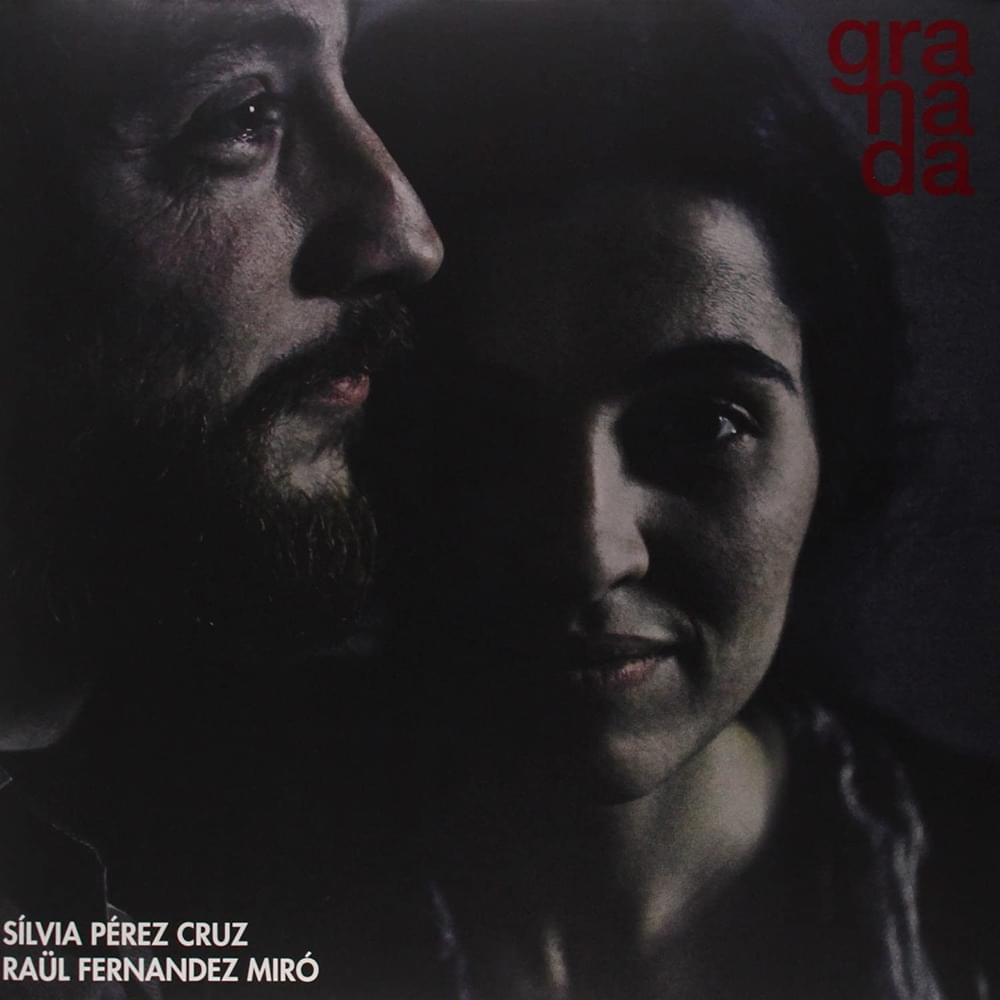
 View Artist