Song Meaning
The lyrics of "Creation Lake" paint a picture of profound change and separation, framed by a sense of inevitable transition. The opening lines, "The way things have fallen / Can't be afraid anymore," immediately establish a tone of acceptance towards a new, perhaps difficult, reality. This is followed by a primal image: "First we were water / In creation lake," suggesting a shared, undifferentiated beginning that is now lost. The idea that "Has to start to end / To go where life lives" underscores a cyclical view of existence, where endings are necessary for new beginnings, hinting at a painful but vital transformation.
The central tension of the song is starkly articulated in the repeated chorus: "There're 24 parts in a day that divides me from you." This phrase, hammered home with increasing insistence, quantifies the distance between two people, not just physically but emotionally or temporally. The "24 parts" represent the relentless march of time, each hour a further separation, emphasizing a growing chasm that feels both concrete and insurmountable. It's a powerful, almost mathematical expression of estrangement.
Examining the craft, the juxtaposition of the cosmic "creation lake" with the domestic "Mama's the sweetest / Alarm clock around" is striking. The initial imagery evokes a primordial, universal origin, a state of oneness. This contrasts sharply with the later, more grounded image of a mother's gentle wake-up call, which itself is framed by the cyclical nature of "clouds, hit the ground." This shift suggests that even the most fundamental connections and routines are subject to the same forces of change and separation that govern the grander, more abstract beginnings.
Ultimately, the effectiveness of these lyrics lies in their ability to connect grand, almost spiritual concepts of origin and change with the deeply personal pain of division. The repetition of the chorus creates a sense of mounting dread and longing, while the imagery of water and time serves as a constant reminder of both shared beginnings and current separation. The narrator appears to be grappling with the natural, unavoidable processes that lead from unity to division, finding a somber acceptance in the cyclical nature of life and loss.
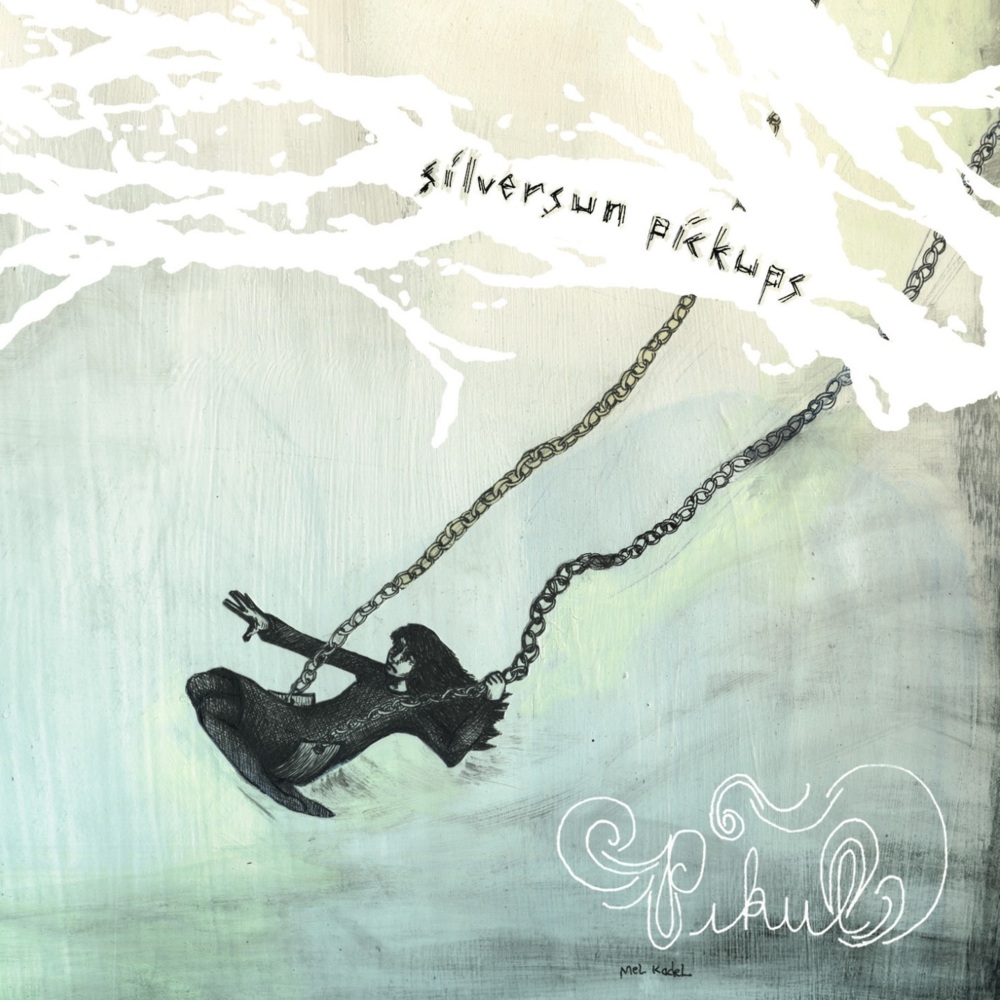
 View Artist