Song Meaning
The lyrics paint a stark picture of a place the narrator desperately wants to leave behind, a realm of "blues" they never wish to revisit. This initial declaration sets a tone of profound aversion, suggesting a painful past or a deeply unsettling emotional state. The repetition of "There is a place past the blues / I never want to see again" emphasizes the finality of this decision, a resolute turning away from something that has clearly caused significant distress.
The core tension arises from the narrator's confrontation with a perceived darkness or corruption in the world, described with potent, somber imagery like "Black planet" and "Black freighter." This is juxtaposed with a repeated, almost haunting vision: "I saw God's shadow on this world." This phrase, repeated four times, suggests an overwhelming, perhaps even oppressive, divine presence that is not necessarily benevolent but rather casts a long, dark mark. The narrator's inability to "love the world entire" stems directly from this shadowed perception.
The most striking craft element is the narrator's response to this perceived darkness. They describe a "desert in my mind" and then, with violent imagery, "took a hammer to it all." This act is compared to an "insane medieval king," highlighting a destructive, perhaps even tyrannical, impulse to obliterate this internal desolation. The repetition of "I took a hammer to it all" underscores the intensity and finality of this destructive urge, a desperate attempt to clear the mind or reshape reality.
Ultimately, these lyrics resonate because of their raw depiction of internal struggle and radical rejection. The narrator's confrontation with a bleak worldview, marked by a shadowed divine presence, leads to a powerful, albeit destructive, act of self-reformation. The stark, almost apocalyptic imagery, combined with the decisive, violent action, creates a visceral sense of catharsis and a profound, if unsettling, escape from a perceived spiritual or emotional wasteland.
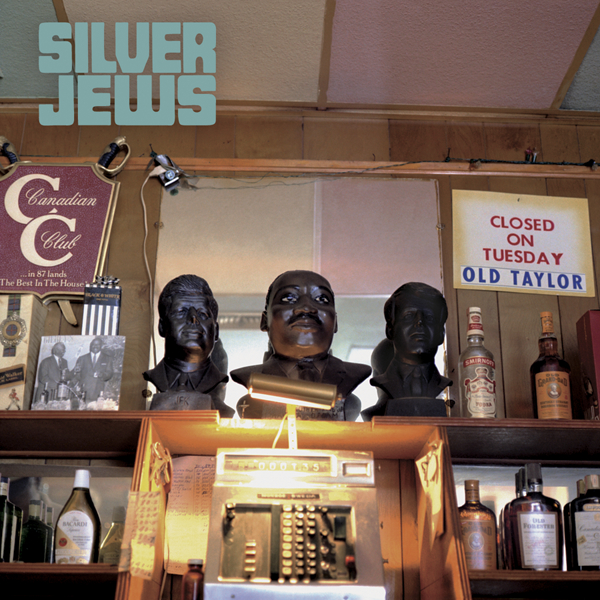
 View Artist