Song Meaning
The lyrics paint a vivid picture of a dramatic personal transformation, moving from a state of despair and stagnation to one of radical optimism and empowerment. The opening lines describe a life stuck in a "teufelskreis" (vicious cycle), where every wait for liberation was in vain. This sense of being trapped is amplified by imagery of fumbling "im dunkeln" (in the dark) and facing "verschlossen" (closed) doors, with the narrator's back against the wall. The sudden shift is marked by a powerful contrast: the darkness gives way to headlights, closed doors swing wide open, and the narrator finds the "schlüssel" (keys) in hand. This isn't just a change of mood; it's a fundamental reorientation, a shedding of old burdens and an embrace of what lies ahead.
The central tension arises from the stark opposition between past fear and present courage. The narrator explicitly states, "Ich wollt, meine zukunft nicht erleben" (I didn't want to experience my future) and "noch gestern hatte ich angst davor" (yesterday I was still afraid of it). This fear is directly confronted and overcome, leading to a profound declaration: "Doch heut bin ich verliebt ins leben / Weil ich die furcht davor verlor" (But today I am in love with life / Because I lost the fear of it). The pre-chorus reinforces this readiness with "Ich bin gefasst wie nie / Auf das was vor mir liegt / Ich bin bereeeit" (I am more composed than ever / For what lies before me / I am ready). This newfound resolve is the engine driving the song's narrative.
The most striking element of the craft is the powerful use of light and dark imagery to signify internal change. The initial state is one of deep shadow and darkness, but the arrival of "scheinwerfer" (headlights) and the statement "Und es wird hell" (And it becomes bright) are potent metaphors for newfound clarity and hope. This is mirrored in the transformation of physical barriers: doors that were locked are now "speerangelweit offen" (wide open). The repetition of "Ich hab keine angst vor dir" (I have no fear of you) in the chorus acts as an assertive mantra, solidifying the narrator's newfound strength and defiance against whatever challenges may arise.
Ultimately, the lyrics resonate because they articulate a universal desire for escape from difficult circumstances and the profound relief that comes with overcoming fear. The narrative arc from being trapped to being liberated, from darkness to light, and from fear to love for life is compelling. The directness of the language, particularly in the chorus, provides a powerful, almost defiant, affirmation of self-possession and resilience. The contrast between "gestern war gestern / Und heut ist alles neu" (yesterday was yesterday / And today is all new) encapsulates the song's core message of radical renewal and the courage to embrace a fresh start.
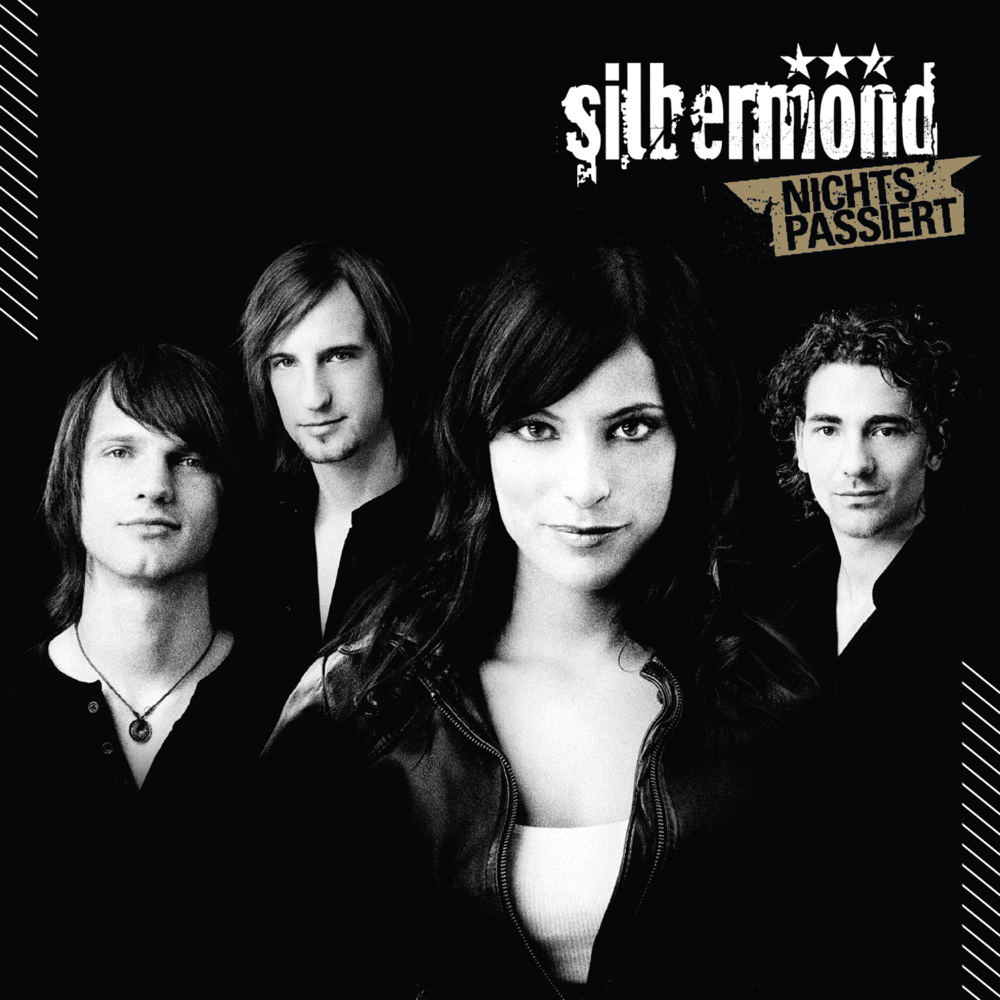
 View Artist