Song Meaning
The lyrics present a dramatic plea, built on the repeated command "Sano vain" (Just say it). The speaker seems to be addressing someone who is withholding crucial words, perhaps about the state of their relationship. There's an immediate sense of tension, with the speaker anticipating negative labels like "impossible" and "too irresponsible." Yet, beneath this anticipation, a desperate assertion emerges: the speaker believes they are essential to the other person's happiness, stating, "Without me, you are unhappy."
The core conflict lies in this push-and-pull between anticipated criticism and the speaker's insistence on their own value. The lyrics suggest a pattern where the speaker acknowledges flaws – "I only cause sorrow," "I am childish," "too emotional" – but immediately reframes them. The assertion that "Without sorrow, there is no happiness" hints at a complex, perhaps unhealthy, codependency. This reframing is key; it's not just about admitting fault, but about arguing that these very perceived faults are intertwined with the good.
The most striking craft element is the persistent, almost hypnotic repetition of "Sano vain." It creates a sense of urgency and desperation, as if the speaker is trying to break through a wall of silence or denial. The contrast between the anticipated negative pronouncements and the speaker's defiant "But remember" clauses is stark. The bridge, with its plea to "lower your angry eyes" and recall a moment of openness, "Why then did you open your arms?" offers a glimpse of a past connection that the speaker desperately wants to reignite or prove still exists.
Ultimately, these lyrics resonate because they tap into the universal fear of rejection and the equally powerful need to feel indispensable. The speaker’s strategy of acknowledging perceived faults while simultaneously arguing for their inextricable link to happiness is a raw, vulnerable defense mechanism. It’s this intricate dance between anticipated judgment and the desperate insistence on being needed that gives the song its emotional weight, making the listener question the nature of love, dependency, and self-worth.
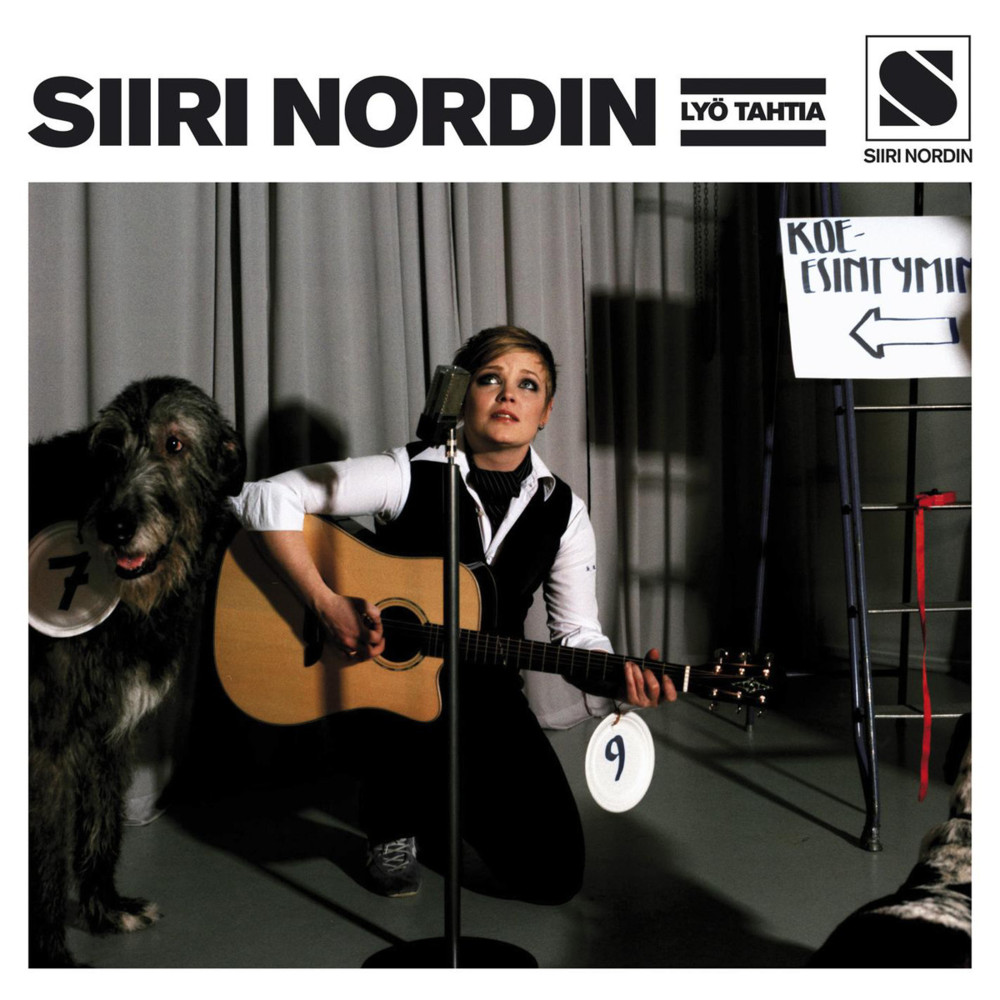
 View Artist