Song Meaning
The lyrics paint a stark picture of a relationship fractured by irreconcilable differences. The opening lines establish a fundamental disconnect, a world where basic perceptions are inverted: "I say it's red / You say it's blue." This isn't just disagreement; it's a chasm of understanding, where truth itself becomes subjective and polarized. The narrator questions the trajectory, wondering how they arrived at such an "extreme" place, a place where familiarity has eroded into alienation: "I used to know you / You used to know me."
This sense of lost connection fuels the central plea: "Can we find some common ground?" The narrator desperately seeks a shared space, a neutral territory where the relationship can be salvaged. The yearning is palpable, a desire to "turn our hearts around" and escape the forces "pulling us down." This isn't just about resolving an argument; it's about finding a way back to a state of mutual understanding and shared existence before the division became too wide.
The contrast between the past and present is a key structural element. The lyrics recall an idyllic beginning, "so easy / When we first met," filled with "moments we'll never forget." This golden era is sharply juxtaposed with the present reality, where "time has a habit / Of drawing a line." This line, the narrator suggests, is the insidious force creating the "distinction / From your way and mine," a subtle but powerful wedge driven between two people who once shared everything.
The effectiveness of these lyrics lies in their directness and the relatable pain of growing apart. The narrator's hope, articulated in the final lines, "I know it's not too late," offers a fragile optimism. It suggests that by understanding how the "footsteps" led them astray, they might still find a path back to that shared "common ground," a place where their individual truths no longer create an unbridgeable divide.
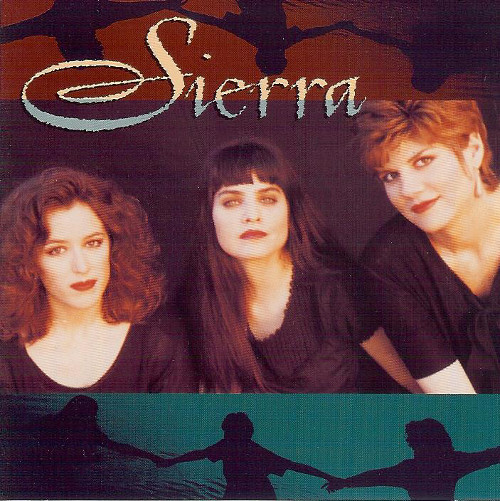
 View Artist