Song Meaning
The narrator offers a damaged heart, admitting it's "used and broken" and "only comes in blue." This isn't a pristine offering, but one that's been through hardship, explicitly stating it "got dirty on the way." The plea is for a recipient who can accept and perhaps even redeem this flawed offering, asking, "will You make it clean / And wash the shame away?"
The central tension lies in the narrator's profound sense of inadequacy and the hope for external healing. The heart is described as "beyond repair," a state the narrator admits they couldn't fix, only making it "worse." This self-assessment highlights a deep-seated shame and a feeling of being irrevocably damaged, leading to the desperate act of offering these "pieces all to You."
The repeated phrase "broken things" acts as a powerful, almost defiant, condition for acceptance. It’s not just about offering a damaged heart, but about seeking solace from someone who can embrace imperfection. The contrast between the narrator's failed attempts at self-repair and the hopeful plea for the recipient's intervention underscores the depth of their despair and the magnitude of their request for grace.
This lyrical offering resonates because it articulates a raw vulnerability often hidden. The directness of offering "these tears" alongside a "broken" heart speaks to a profound need for acceptance, not in spite of flaws, but perhaps because of them. The narrator isn't asking for a fix, but for someone to simply "don't mind broken things," a powerful statement on the desire for unconditional love in the face of personal ruin.
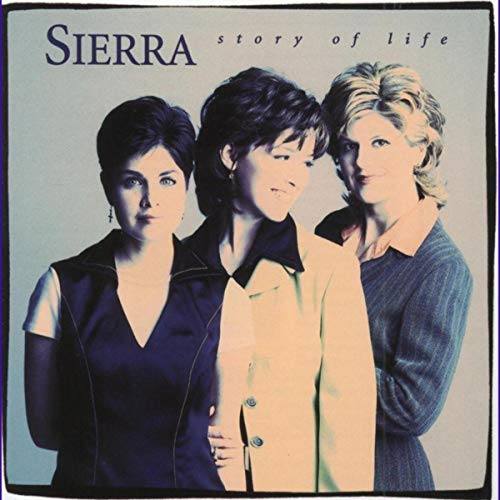
 View Artist