Song Meaning
These lyrics plunge into the raw aftermath of a lost connection, with a speaker grappling with regret and a desperate longing for what was. The opening lines immediately establish a stark contrast: "Du, va alt for mæ... Men no, så e alt bort." This abrupt shift from everything to nothing sets a melancholic tone, hinting at a sudden, painful departure.
The central emotional tension here stems from the speaker's profound self-deprecation and perceived inadequacy. They repeatedly label themselves "en vanlig fyr" (a common guy) who "itj shønne kor heldig æ e" (doesn't understand how lucky I am). This self-assessment is amplified by the shift from "har dæ" (have you) to "hadd dæ" (had you), subtly underscoring the irreversible nature of their loss and the weight of their past oversight. The speaker also appears to have viewed their partner as superior, noting, "Du, va mer enn mæ" and possessing the "kraft te å bestem dæ."
Perhaps the most striking craft element is the recurring, almost pleading refrain: "Vil du såvvå i lag me mæ? Æ tru at æ ælske dæ." The direct question for intimacy is immediately followed by a surprisingly tentative declaration of love. That crucial word, "tru" (think), injects a layer of uncertainty or perhaps a newfound, hesitant realization into what would otherwise be a straightforward romantic statement. It suggests a love that is either newly understood, deeply doubted, or perhaps too overwhelming to state with absolute certainty.
Ultimately, these lyrics are effective because they paint a vivid picture of vulnerability and regret. The speaker's blend of self-effacement, past adoration, and present, almost childlike plea creates a deeply human portrait of someone wrestling with the consequences of not appreciating what they had. The direct address and the raw, unvarnished emotional language make the longing palpable, resonating with anyone who has ever looked back on a lost love with a heavy heart.
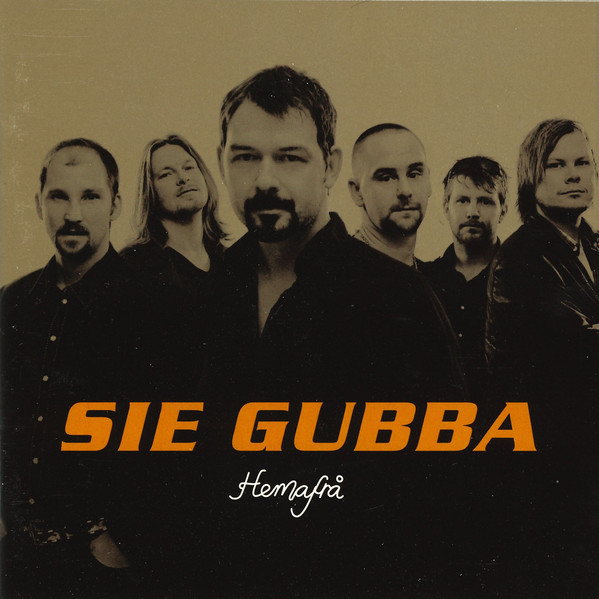
 View Artist