Song Meaning
The lyrics paint a vivid picture of a circus arriving in town, setting a scene of wonder and anticipation, especially for children. There's a sense of routine and perhaps a touch of melancholy with the mention of an "old, tired lion" sleeping next to the magician, hinting at the weariness beneath the spectacle. The children's excitement for the "show to begin" tomorrow underscores the magic and escapism the circus represents for them.
The core tension emerges in the chorus: "Un día más en la vida, es un día más, otro día más." This refrain, listing all seven days of the week, grounds the extraordinary circus imagery in the mundane reality of time passing. It suggests that even amidst the dazzling performances and dreams, life continues its relentless, day-by-day march, blurring the lines between the spectacular and the ordinary.
The contrast between the high-wire dancer's "triple somersault" and the narrator's "great pirouette" with a loved one creates a poignant moment. While the circus performers execute death-defying feats, the narrator frames their own life's significant act as a shared, intimate moment. This elevates the everyday connection, suggesting that personal relationships can hold as much weight as grand public performances.
Ultimately, the lyrics resonate by juxtaposing the fleeting magic of the circus with the enduring rhythm of daily life. The children's hopeful questions about the circus returning, contrasted with the chorus's steady repetition of "just another day," capture a bittersweet feeling. It's about finding moments of wonder within the predictable flow of existence, and how those moments, whether grand or small, define our experience of time.
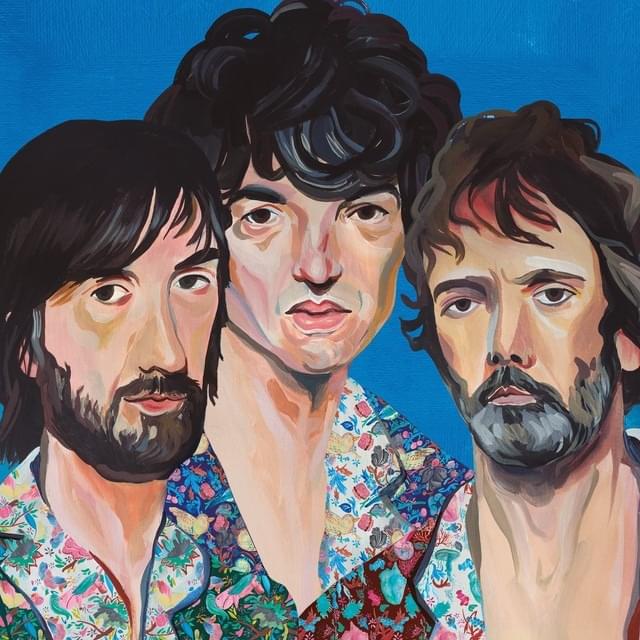
 View Artist