Song Meaning
The lyrics paint a picture of comfort offered during a moment of sadness. The narrator sees someone downcast, caught in a sudden rain, and immediately wishes to be a "bath towel" to envelop them. This sets a tone of gentle, protective care, acknowledging that platitudes are useless on such a night. The core of the song seems to be about offering solace through presence and song, suggesting that shared vulnerability and simple affirmation are the true remedies.
The central tension lies in the narrator's desire to be a source of strength and comfort, while also admitting their own fragility. They express a need to be fully seen, "I want you to see everything," and wish to be a "special place" for the other person. This duality—offering support while revealing their own need for connection—creates a tender, relatable dynamic. The repeated plea, "I want to be held by this song," underscores the idea that art itself can be a vessel for emotional support and shared experience.
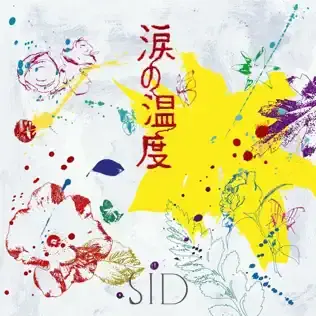
The most striking craft element is the contrast between past and present perceptions of self. The narrator recalls being perceived as a "person of talent" and later recognized as a "person of effort." This arc culminates in the powerful image of "the temperature of the tears that overflowed, I'll never forget it." This specific sensory detail grounds the emotional release, suggesting that the memory of overcoming struggle, marked by genuine tears, is a source of enduring strength and connection. The shift from external validation to internal recognition of effort, and the emotional resonance of that memory, is key.
Ultimately, these lyrics resonate because they articulate a profound, quiet form of love. It's not about grand gestures, but about the simple, powerful act of being present and offering a song as an embrace. The narrator's vulnerability, coupled with the unwavering desire to protect and be loved in return ("I like you who likes me, that's all"), creates an intimate space where shared struggles can be overcome. The final lines, "We who have found it are no longer afraid of anything," suggest that this mutual recognition and shared comfort provide a profound sense of resilience.
 View Artist