Song Meaning
The lyrics confront the temptation to compromise one's core values for perceived self-improvement or external validation. The opening questions directly challenge the listener to consider the potential absurdity of abandoning one's origins, framing it as a "selling out" that would appear "ridiculous." This sets a tone of earnest admonishment, urging authenticity over superficial change.
The central tension lies in the repeated phrase "Don't bite more than you can chew," a stark warning against overreaching in the pursuit of an idealized self. This pursuit, the lyrics suggest, can lead to a "drastic" transformation that betrays one's true nature. The narrator appears to be speaking from a place of shared experience, acknowledging that "That could be me / That could be you," emphasizing a universal vulnerability to such pressures.
The most striking aspect of the craft is the insistent repetition of "Don't bite more than you can chew" and the direct, almost parental, command "Don't be drastic." This repetition hammers home the core message, creating a sense of urgency and reinforcing the idea that drastic measures are ill-advised. The shift from personal admonishment to a broader call for empathy – "Cut some slack before you mock those / Trying to improve" – highlights a key insight: self-improvement is a difficult, often messy, process that deserves understanding, not judgment.
Ultimately, the effectiveness of these lyrics stems from their directness and their grounding in a relatable human struggle. By framing authenticity as a strength and compromise as a potential pitfall, the song encourages a more compassionate view of personal growth. The closing lines, "We've got to learn humility / We won't make the same mistakes," offer a hopeful, albeit cautionary, resolution, suggesting that wisdom comes from acknowledging past missteps and approaching future changes with greater self-awareness.
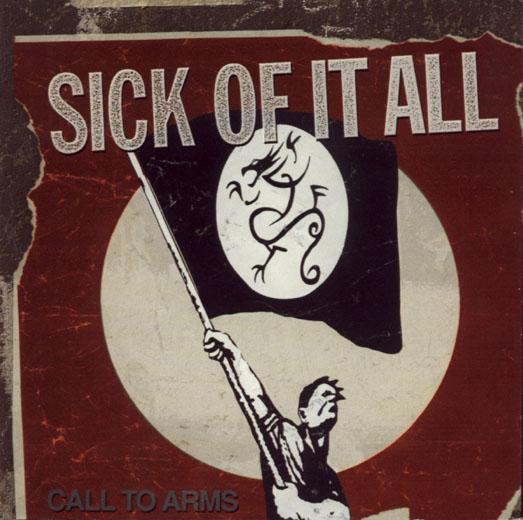
 View Artist