Song Meaning
The lyrics paint a picture of a city under new, authoritarian rule, where conformity is demanded. The opening lines, "Acorda amigo, o boato era verdade / A nova ordem tomou conta da cidade," immediately establish a sense of unease and the stark reality of a power shift. The narrator, seemingly resigned or even complicit, advises a friend to "dar no pé" (flee) if they don't like the new conditions, suggesting a pragmatic, albeit cynical, approach to survival under this regime. The advice to "acomodaria" (accommodate) and accept that "Estes senhores devem ter suas razões" highlights a chilling acceptance of authority, framing compliance as the only logical path forward.
The core tension lies in the stark contrast between the enforced order and the suppressed spirit of individuality. The narrator describes a future of "muros, grades, vidros e portões" (walls, bars, glass, and gates) and "muito menos exceções" (much fewer exceptions), painting a picture of a controlled, sterile environment. This is juxtaposed with the idea of progress and peace, presented with biting sarcasm as "Que lindo acordo de cidadania!" (What a beautiful citizenship agreement!). The lyrics suggest that this supposed progress comes at the cost of freedom, reducing citizens to cogs in a machine, "sempre esperando a vez na fila dos normais" (always waiting for their turn in the line of normal people).
The most striking element is the ironic portrayal of enthusiastic compliance, particularly in the chorus. The lines "A gente brinca, a gente dança / Corta e recorta, trança e retrança" describe a forced, almost frantic activity that masks the underlying control. The phrase "ponta de lança" (spearhead) suggests a vanguard, but in this context, it feels like a tool of the regime rather than genuine leadership. The final line, "Estrondo, marcha macia!" (Rumble, soft march!), is a powerful oxymoron, capturing the unsettling blend of forceful imposition and smooth, almost imperceptible, assimilation. It's the sound of a revolution that's already happened, now just settling into its quiet, oppressive rhythm.
Ultimately, the effectiveness of these lyrics stems from their sharp, satirical critique of authoritarianism disguised as progress. The narrator's voice, shifting between resigned pragmatism and biting sarcasm, forces the listener to confront the uncomfortable reality of how easily control can be normalized. The lyrical craft, particularly the use of oxymoron and ironic praise, creates a disquieting atmosphere that lingers long after the song ends, making the reader question the true cost of order and the nature of 'progress'.
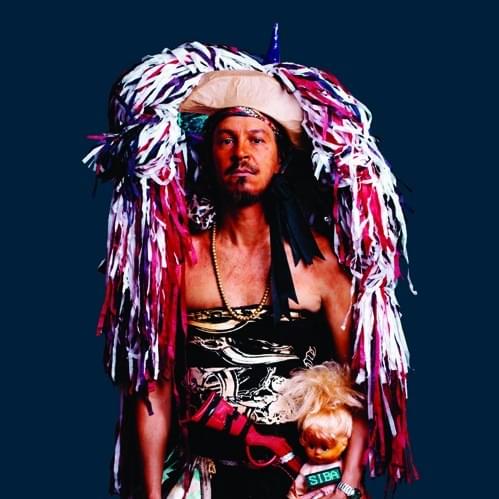
 View Artist