Song Meaning
The lyrics paint a picture of someone wrestling with a deep-seated internal conflict, oscillating between a desire for genuine connection and an overwhelming sense of dread. The opening lines, with their mundane detail of "no soap behind my ears," juxtaposed with the ominous "ghost on the line knows all of our fears," immediately establish a tone of unease lurking beneath a surface of normalcy. This tension between the ordinary and the existential is a recurring theme, suggesting a struggle to reconcile present desires with past anxieties.
The central tension seems to arise from a push-and-pull between embracing positive change and succumbing to negativity. The narrator expresses a desire for "conscious honest feelings" and a readiness to "go pull the trigger," indicating a willingness to take risks. However, this is immediately met with being "shot down" and the crushing realization, "The more that I know I hate it." This phrase is particularly striking, suggesting that the very act of understanding or confronting something leads to aversion, a self-defeating cycle of awareness.
The craft here is in the stark contrasts and unexpected imagery. The idea of being "magnetized" only to be "shot down" is a potent metaphor for failed attempts at connection or self-improvement. Later, the narrator declares, "I'm reborn in the morning light," only to follow with "Fall my favorite sound," a jarring shift that underscores the persistent pull of melancholy. The mundane act of "pour[ing] a glass of water" becomes a ritual of self-affirmation, a small but significant act of self-care against the backdrop of overwhelming feelings.
Ultimately, the effectiveness of these lyrics lies in their raw portrayal of this internal battle. The narrator's self-awareness is both a source of pain and a potential path forward, as evidenced by the promise to "get my shit right" and "Utilize some foresight." The final lines, "I can't eat nearly / Nearly as such as I want to vomit," and the cryptic "(Shutups are back)" leave the listener with a lingering sense of unresolved struggle, capturing the messy, often contradictory nature of emotional well-being.
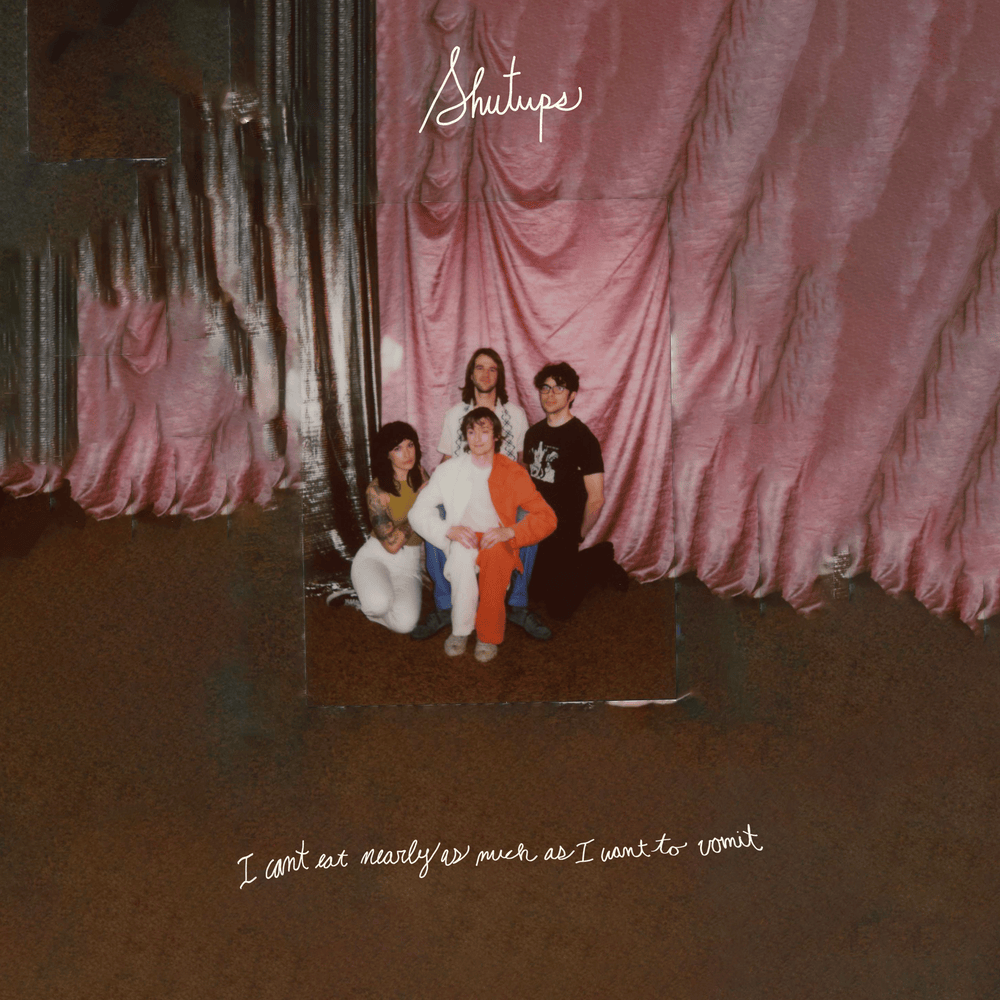
 View Artist