Song Meaning
The narrator grapples with a profound desire for liberation, questioning if true freedom is only attainable in the cessation of individual existence. This immediate, almost desperate plea sets a tone of deep existential yearning. The core tension lies in the contrast between the current state of 'I' and the longed-for state of 'we'.
The lyrics present a stark dichotomy: the current self, burdened by individuality, versus a future state of unified existence. The narrator asks, "When shall I be free?" and immediately answers with a chilling possibility: "When I shall cease to be?" This suggests a profound weariness with the self, seeing it as the primary obstacle to peace.
The most striking element is the radical redefinition of freedom. It's not about breaking chains or achieving personal goals, but about dissolving the self entirely. The ultimate vision is "No more I, but we / In perfect harmony." This isn't just about escaping suffering; it's about merging into a collective consciousness where individual identity is lost, implying that the self is the source of all discord.
This intense focus on self-annihilation as the path to freedom makes the lyrics resonate with a specific kind of despair. The imagined "perfect harmony" is achieved not through growth or connection as an individual, but through the complete erasure of individuality, highlighting a deep-seated dissatisfaction with the burden of being 'I'.
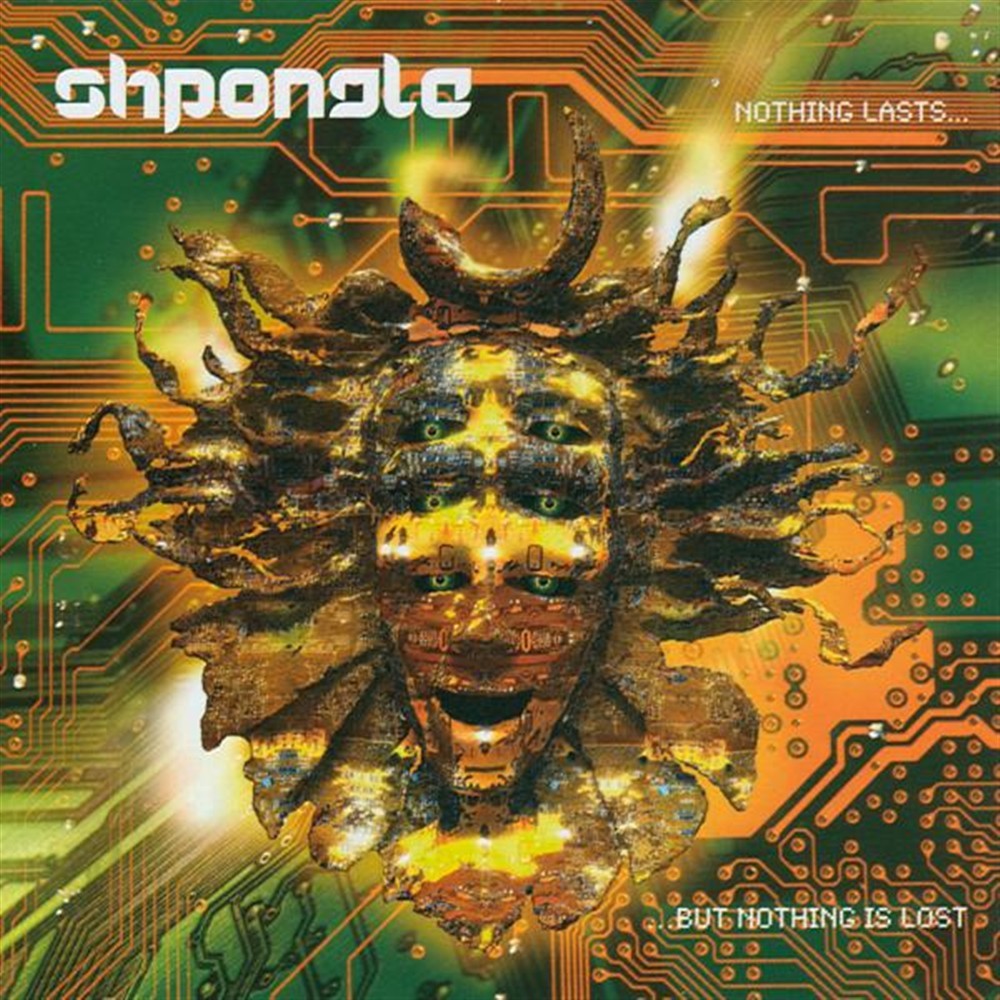
 View Artist