Song Meaning
The lyrics paint a stark picture of someone grappling with another's profound distress, oscillating between a desire for connection and a harsh, almost accusatory, frustration. The opening lines, "I do wanna know / I do celebrate / We won," suggest a past victory or shared achievement, now overshadowed by the present struggle. This is quickly undercut by commands like "Don't waste my time" and "Give up," revealing a speaker who, despite wanting to understand, is impatient with the other's perceived inaction or emotional paralysis. The repeated assertion "It's all in your head, it's all in your chest" attempts to externalize the problem, framing it as a mental or emotional state that the other person is creating, rather than an unavoidable reality.
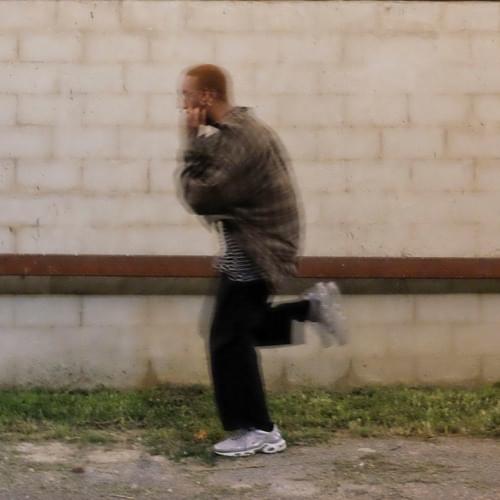
The central tension arises from the speaker's conflicting impulses: a desire to see into the other person's inner world – "Window to the soul, take a good look" – and a deep-seated exasperation that this introspection yields "Nothing." This futility fuels a shift in tone, moving from concerned observation to outright hostility in the second verse. The image of the other person "running through the city, no joke" implies a desperate, perhaps aimless, flight, while the speaker's own internal state hardens. The repeated, chilling wish, "I hope you get yo' body bag," transforms the earlier frustration into a violent, almost vengeful, desire for an end to the suffering, however final.
The most striking element is the abrupt tonal shift and the brutal imagery used to express the speaker's breakdown in empathy. The initial attempts to diagnose the problem – "You make it so sad / You're so tense" – devolve into a desire for the other person's demise. The phrase "innocence lost, they took" hints at an external trauma inflicted upon the person being addressed, yet the speaker's response is not solace but a grim, almost celebratory, curse. This contrast between the implied victimhood of the addressed person and the speaker's aggressive, fatalistic pronouncements creates a deeply unsettling emotional landscape.
Ultimately, these lyrics resonate because they capture the messy, often ugly, reality of witnessing someone's pain when you feel powerless to help, and perhaps even resentful of the burden. The speaker's journey from wanting to know to wishing for an end highlights the limits of empathy and the destructive potential of frustration. The raw, unvarnished language, particularly the repeated "body bag" refrain, bypasses sentimentality, delivering a visceral punch that reflects the speaker's own emotional breaking point.
 View Artist