Song Meaning
The lyrics paint a grim scene of a public execution, where a man is marched to the gallows "to pay for what could not be taken back." The dominant tone is one of somber finality and collective guilt, suggesting a community burdened by a past transgression that has led to this tragic outcome. The imagery of "heavy heavy clothes" worn by the townspeople emphasizes their shared shame, a weight that seems as suffocating as the "mud filled up the river" and "dust filled up the sky."
The central tension lies in the plea "Swing low sweet Lord / 'Cause no one's listenin' no more." This refrain highlights a profound sense of abandonment and a desperate search for divine intervention in a situation where human ears seem deaf to the cries for justice or mercy. The narrator seems to be appealing to a higher power to either release the condemned or offer some form of salvation, even if it's just a gentle descent, because earthly help is absent.
The most striking craft element is the stark contrast between the condemned man's fate and the town's complicity. While he faces the ultimate consequence, the community is depicted as "whiter than a ghost," suggesting a pallor of fear or guilt that overshadows their outward display of mourning or judgment. The repeated phrase "swing low" takes on a dual meaning: a literal reference to the gallows' mechanism and a spiritual plea for a merciful end, underscoring the bleakness of the situation where even divine action is framed as a passive descent.
These lyrics are effective because they create a powerful, almost suffocating atmosphere of collective sin and individual sacrifice. The stark, unadorned language and the relentless imagery of decay and despair draw the listener into a moment of profound moral reckoning. The ambiguity of "what could not be taken back" and "what still hides" allows the narrative to resonate as a commentary on inescapable consequences and the heavy price of societal secrets, or personal, secrets.
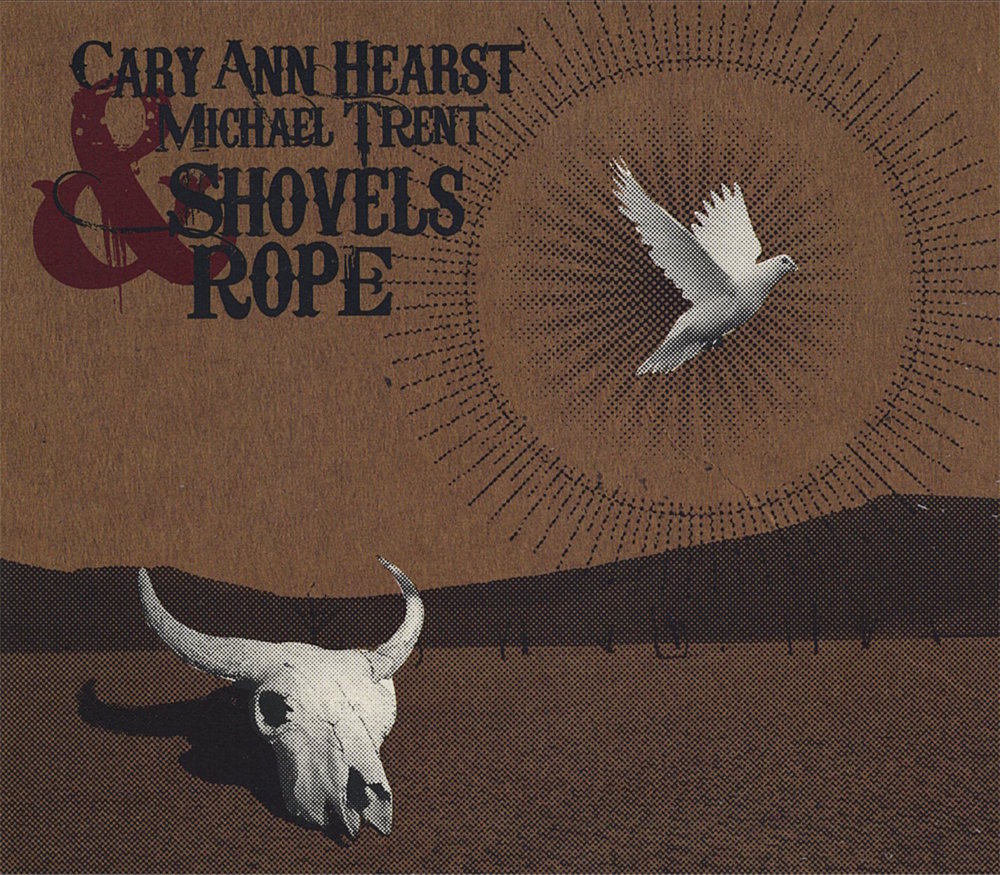
 View Artist