Song Meaning
The lyrics paint a picture of someone on the brink, perhaps after a breakup or a significant life event, seeking solace in intoxication and a drastic change of scenery. The opening lines, "Here it comes / Right through the window," suggest an overwhelming feeling or realization that's impossible to ignore. This is immediately followed by a blurring of lines between genuine joy and the artificial euphoria of alcohol, as the narrator admits, "Confusing happiness / With drunkenness" and resolves to "have another drink." The desire to escape is palpable, with a specific mention of heading to San Francisco, a city often associated with new beginnings.
The core tension lies in the narrator's fragmented state and their desperate plea for external help. The repeated chorus, "And you / You're now a part of this / So help to put me back together / Remind me what I need / Over and over," reveals a profound reliance on another person to mend their broken pieces. This isn't a casual request; it's a desperate, cyclical need, emphasized by the interlude's "Again and again." The narrator seems to be actively seeking someone to anchor them amidst their emotional chaos.
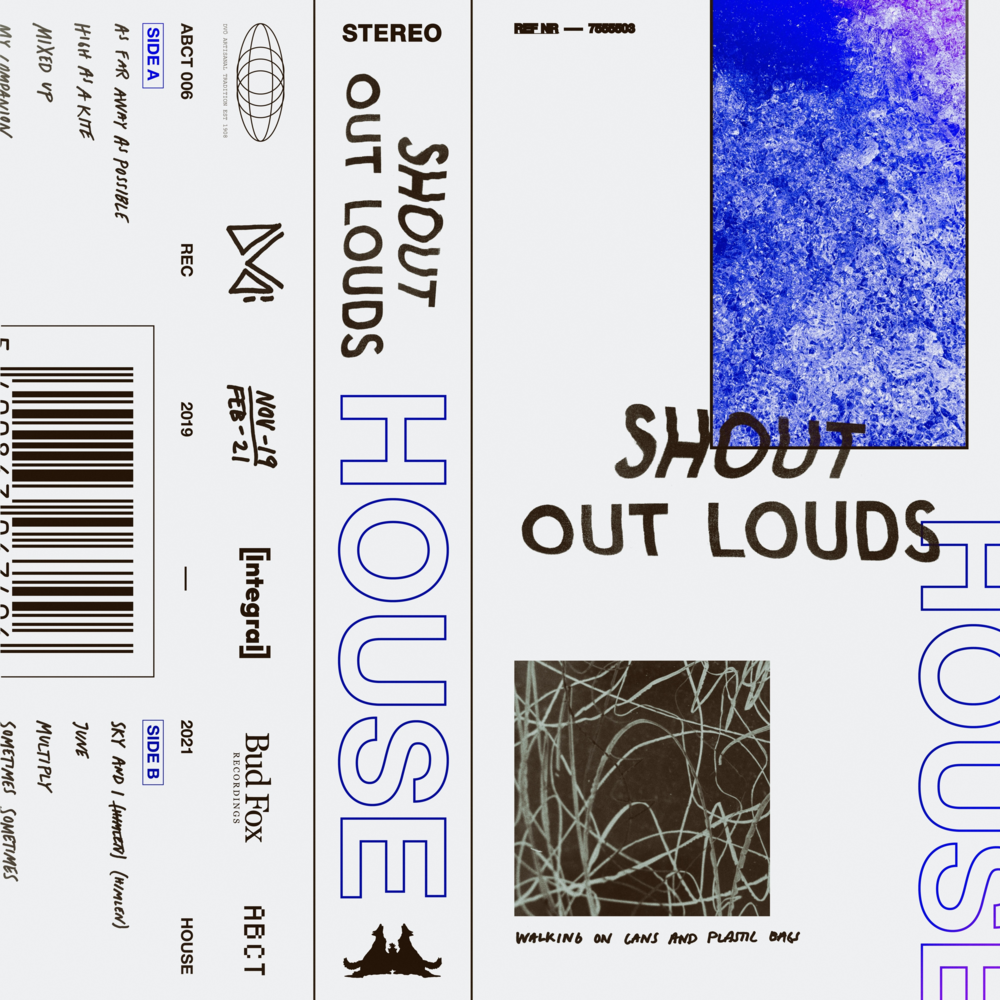
The most striking lyrical device is the concept of emotions multiplying and exploding, as stated in Verse 2: "Multiply, multiply, multiply / All my emotions / Watch them explode / Over the ocean." This vivid imagery captures the overwhelming, uncontrollable nature of their feelings, amplified by the setting of "loaded lounges" and a "disco." The repetition of "Multiply" and "Over and over" underscores a sense of being trapped in a loop of heightened, unmanageable emotional states, seeking a reset but only finding more of the same.
Ultimately, the effectiveness of these lyrics stems from their raw portrayal of vulnerability and the desperate search for stability. The contrast between the desire for a "new life" and the immediate reliance on alcohol and another person highlights a profound internal conflict. The cyclical structure and insistent repetition mirror the narrator's own mental state, making the listener feel the weight of their emotional overload and their urgent, almost frantic, need for repair.
 View Artist