Song Meaning
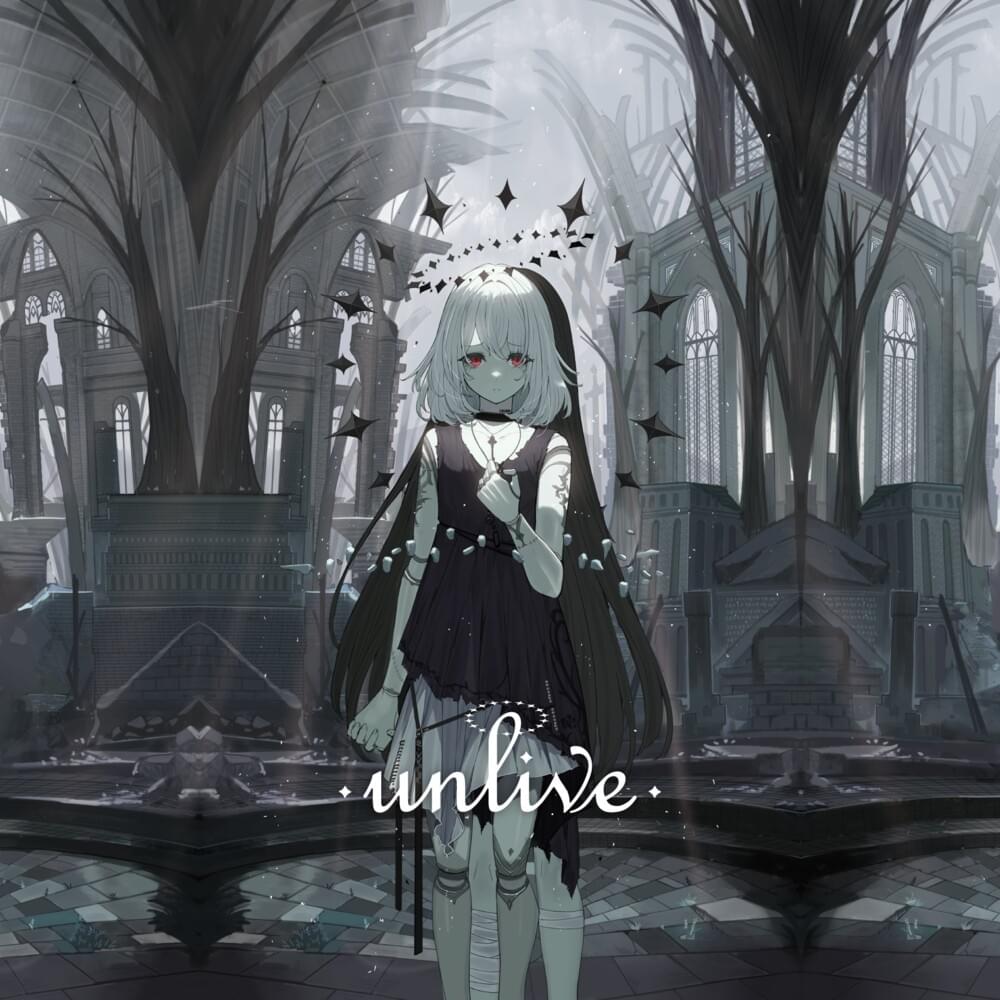
The lyrics paint a picture of a poignant farewell, tinged with a sense of loss and the struggle to preserve precious memories. The opening lines, "This is the last word / The things you gave me / All the ordinary scenery," establish a somber mood, suggesting a finality to the present moment and a deep appreciation for shared experiences. The narrator seems to be grappling with the fading nature of both the world and the future, creating an atmosphere of uncertainty and melancholy.
The central tension lies in the narrator's fear of their feelings becoming "vague affirmations" and "vague emotions." This ambiguity is deeply unsettling, leading them to "shackle" their desire to see the person they miss and to "nail" their heart, causing tears to fall. The desire to hold onto memories, to prevent them from crumbling under the weight of affection, becomes paramount, a desperate attempt to maintain connection in the face of inevitable separation.
A striking element is the repetition of "vague" (アイマイな), emphasizing the narrator's anxiety about the ephemeral and indistinct nature of their feelings and the future. This contrasts sharply with the concrete actions of "shackling" and "nailing" their heart, highlighting a desperate attempt to anchor something intangible. The repeated phrase "again, we can meet" (また会えるように) underscores the hope that fuels this struggle, even as the song concludes with a resigned "goodbye."
Ultimately, the effectiveness of these lyrics stems from their raw portrayal of clinging to what matters amidst uncertainty. The narrator's internal conflict—between the fear of fading emotions and the desperate act of preserving memories—is palpable. The careful use of contrasting imagery, from the "ordinary scenery" to the "nailed" heart, creates a powerful emotional resonance, capturing the bittersweet ache of a farewell that longs for a future reunion.