Song Meaning
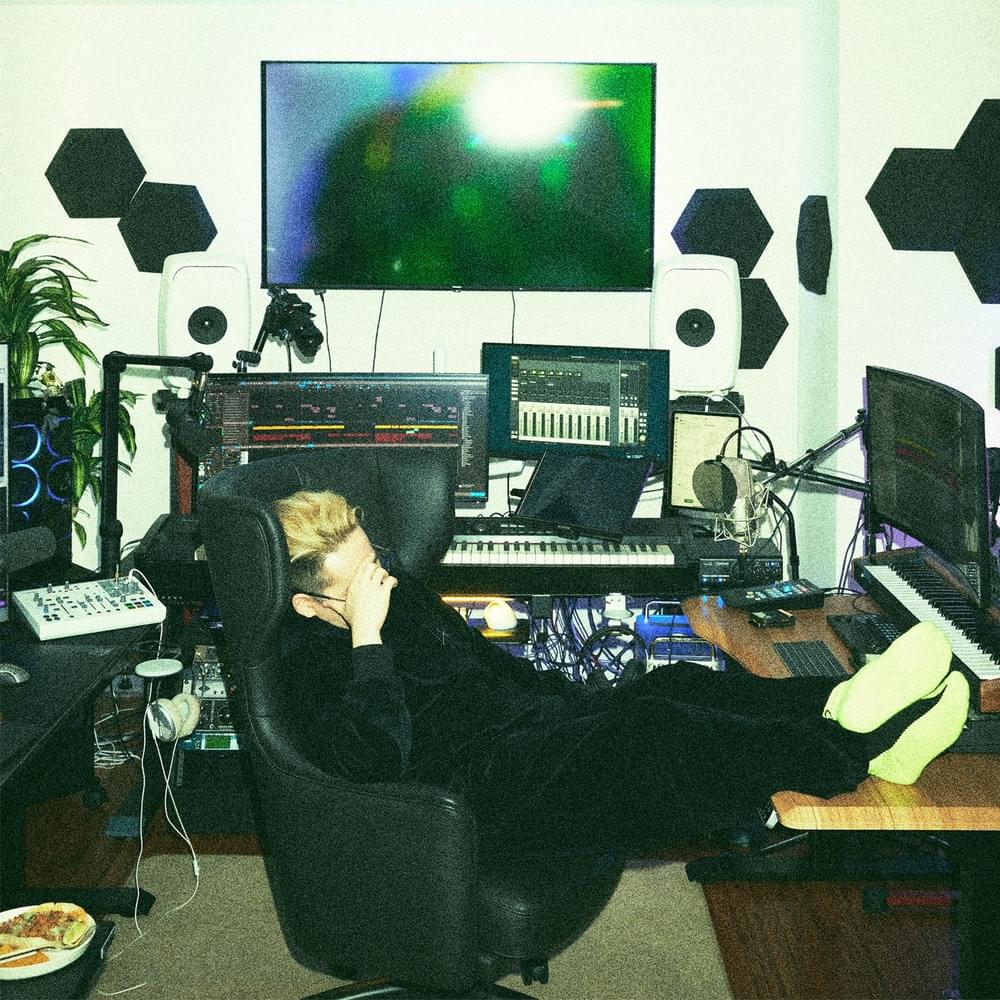
The lyrics paint a stark picture of sleeplessness as a consuming condition, a literal "病" (illness) that traps the narrator in a cycle of internal turmoil. The opening lines immediately establish a sense of overwhelming sensory input, a "喧騒" (clamor) behind closed eyelids, where past reflections are rendered meaningless. This isn't just a bad night; it's a state where the ability to rest is fundamentally broken, leaving the narrator adrift in a mental space where thoughts become a relentless construction project.
The core tension lies in the narrator's profound isolation and dependence, despite the internal chaos. The repeated refrain of "一人じゃ生きれない" (I can't live alone) juxtaposed with the inability to sleep highlights a desperate need for connection, even as the mind is too active to find solace. This insomnia becomes a game played only at midnight, a space where creativity ("溜めてるフレーズ" - accumulating phrases) is born but dreams are forbidden, amplifying the feeling of being trapped and yearning for external validation or interaction, as suggested by "Play with me…".
The lyrics employ a fascinating contrast between the internal mental landscape and external interactions. The narrator describes being led into someone's "テリトリー" (territory) by clever words, suggesting a manipulation or seduction that offers a temporary escape from the self. Yet, this interaction is fraught with transactional undertones, questioning who pays for what and the inherent emptiness of such exchanges ("無味無臭" - tasteless and odorless). The recurring thought that "どんな過去も目の前の現在には負けてく" (any past loses to the present moment) underscores the immediate, painful reality of the sleepless state, where even cherished relationships feel hollow.
Ultimately, the effectiveness of these lyrics stems from their raw portrayal of mental anguish and the desperate plea for connection. The repetitive structure of "Insomnia" and "I can't sleep" mimics the obsessive nature of the condition itself, drawing the listener into the narrator's inescapable loop. The final lines, a faint echo of a voice and a resigned "Fuck," encapsulate the crushing weight of this persistent state, where even the act of
 View Artist