Song Meaning
These lyrics open with a stark transformation, shifting from the innocence of "Little Red Riding Hood" to a present state described simply as "now orange." This immediate contrast, paired with the repeated declaration "and this is the end," establishes a tone of profound finality and loss. The speaker seems to be reflecting on a past self, perhaps one characterized by childlike simplicity or vulnerability, now irrevocably altered.
The central emotional tension emerges from a love that once was. The narrator recalls a time: "Once I loved you with a word," a phrase suggesting a pure, perhaps uncomplicated affection, followed by the romantic pursuit of a "blue bird" until the sun. This idealistic past, however, is abruptly cut short by the recurring refrain of "and this is the end," implying that this love, too, has reached an absolute conclusion, leaving behind only echoes of what was.
The craft here is particularly effective in its use of dark irony and vivid imagery. The initial fairy tale allusions take a grim turn when the narrator wishes for a violent end: "If only I were a hood / If only a wolf had devoured me." This desperate longing for a definitive, even brutal, conclusion suggests that the pain of the present is far worse than any childhood monster. The imagery culminates in a chilling scene: "In a forgotten prison I wrote on the wall," a powerful metaphor for isolation and despair, where the beloved is reduced to a cliché, "like in a thousand songs."
Ultimately, these lyrics resonate because of their unflinching portrayal of disillusionment. By juxtaposing the whimsical figures of childhood with the crushing weight of adult pain and regret, the writing creates a visceral sense of a world turned upside down. The cyclical repetition of past innocence and present finality leaves the listener with a haunting impression of an inescapable, sorrowful reality.
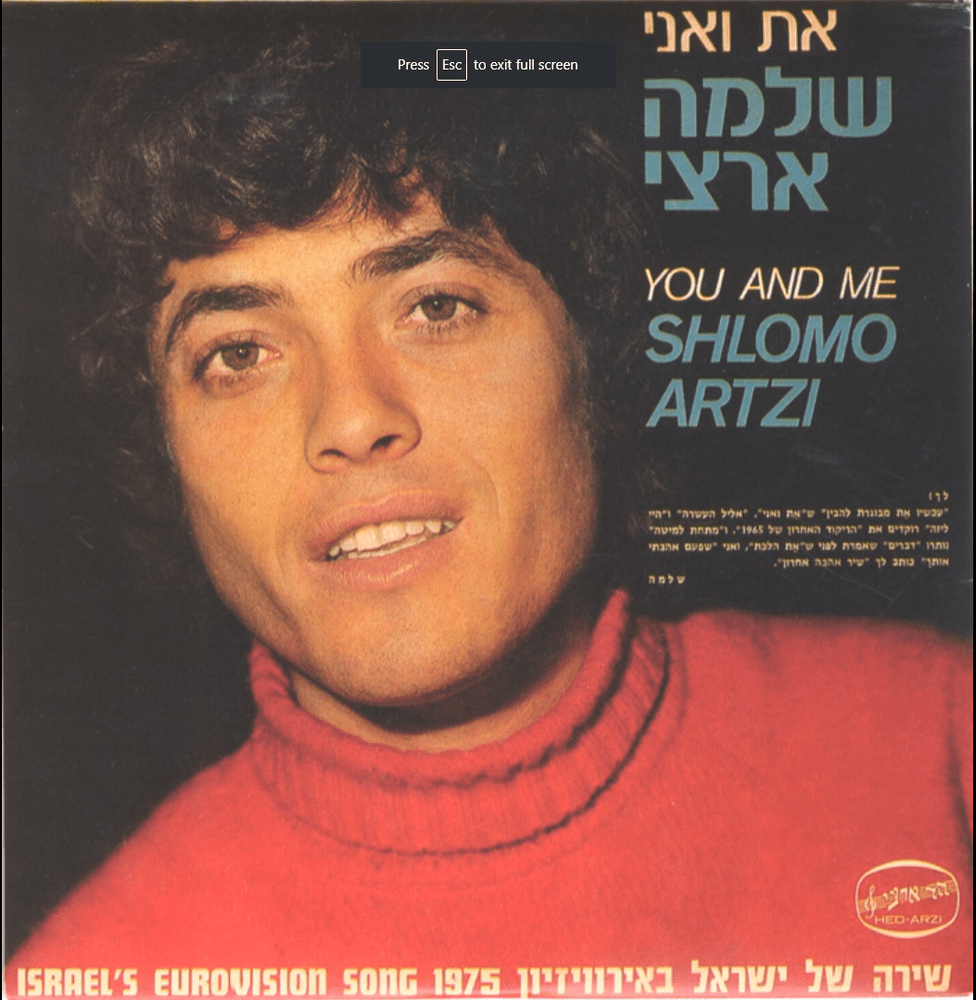
 View Artist