Song Meaning
These lyrics paint a picture of a young, observant mind grappling with a "strange world." Each time the narrator tries to understand, an insistent voice cuts in. "Don't ask, child," it commands, urging passive acceptance. The message is clear: curiosity is a burden.
The central tension here lies in the stark contrast between innate human curiosity and the pressure to conform. The narrator's repeated desire to ask "why," "how," or "where" is met with a dismissive "it's already known" or "it's understood." This suppression comes with a tempting reward: "Then it will be good for you and it will be easy for you." The lyrics suggest that true understanding is sacrificed for comfort.
The lyrical craft hinges on relentless repetition. Phrases like "Don't ask, child" and "Take everything as it is" create a hypnotic, almost oppressive rhythm. This isn't just a suggestion; it's a constant, unwavering directive. The dismissive answers—"it's already known," "just smile," "it's understood"—don't offer explanations but rather shut down the very impulse to seek them, highlighting a societal push towards superficiality.
This structure powerfully conveys the feeling of being stifled. The listener experiences the narrator's yearning for meaning being systematically shut down, stanza after stanza. It's a poignant commentary on how we're often taught to navigate life's complexities by simply accepting them, rather than engaging with them. The lyrics resonate because they tap into that universal struggle between genuine inquiry and the path of least resistance.
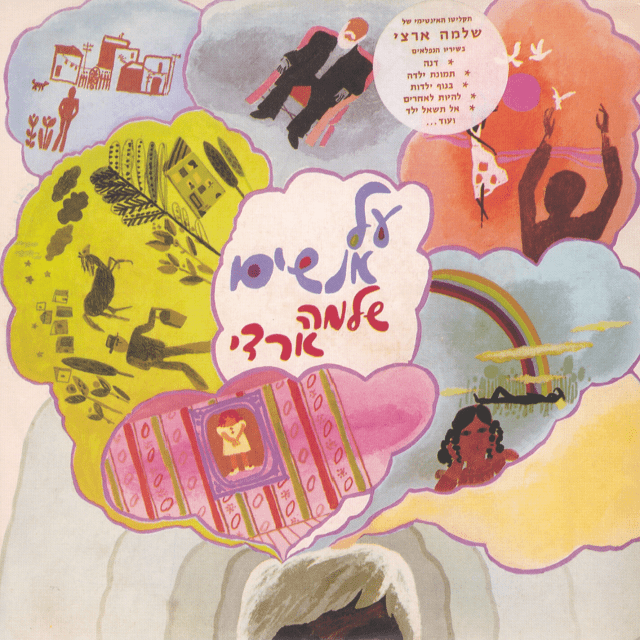
 View Artist