Song Meaning
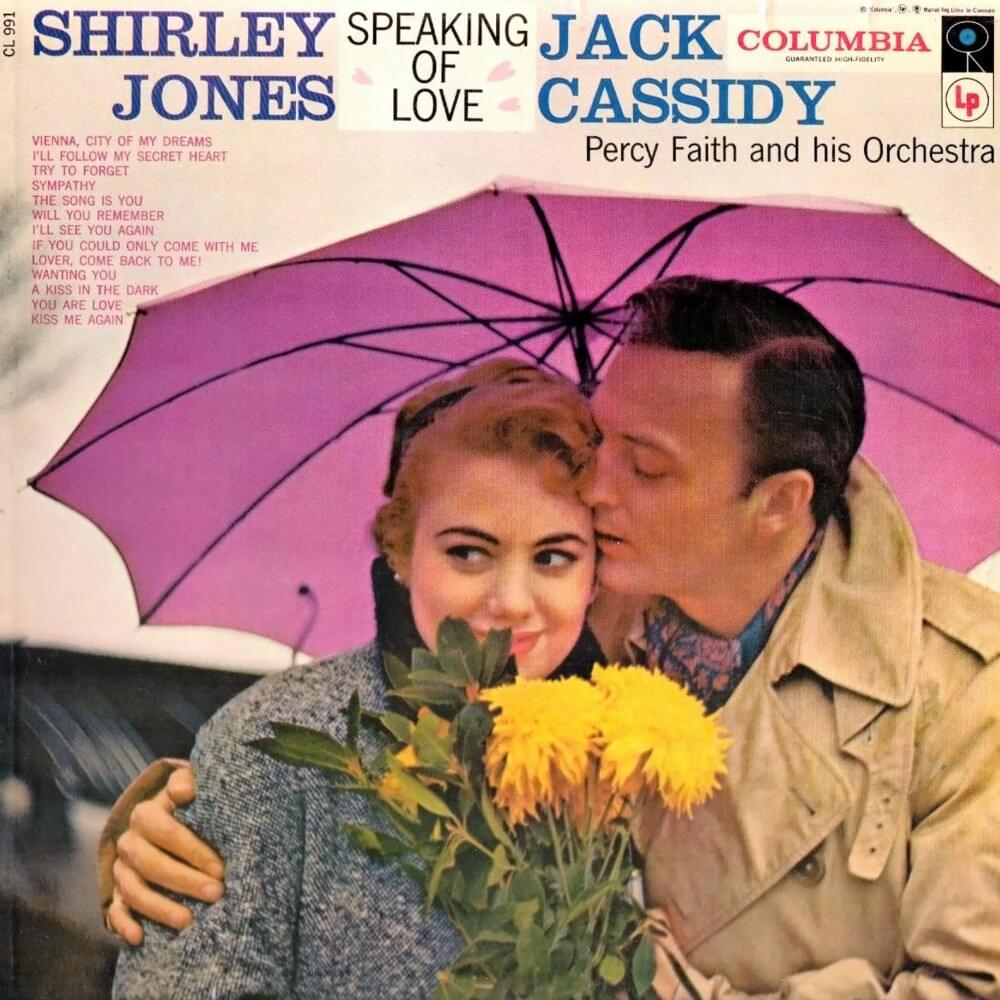
Shirley Jones and Jack Cassidy's duet, "Will You Remember," isn't just a saccharine ode to May-December romance; it’s a carefully constructed meditation on time's relentless march and love's fragile, yet persistent, echo. The song meaning unfolds as a poignant question posed against the backdrop of inevitable change. The opening verses establish a contrast between youthful springtime ardor and the potential for future forgetfulness, countered by the promise of enduring love even in "life's gray December." This sets the stage for the central inquiry: can the intensity of present affection withstand the erosion of time and circumstance? The song’s core is a bittersweet acknowledgement that paths may diverge.
The repetition of "Sweetheart, sweetheart, sweetheart" serves as both an endearment and a desperate plea, underscoring the vulnerability inherent in asking someone to hold onto a memory. It's a vocal tic of reassurance against the uncertainties of the future. The repeated lines "Will you remember? Springtime, love time, May" function as a mantra, a desperate attempt to etch a specific moment into the lover's consciousness. May, as a symbol, represents not just the season of blossoming love but also a specific, idyllic memory the singers are so afraid of losing. The lyrics analysis reveals that the song is not merely about being in love, but about the anxiety of love's potential ephemerality.
Ultimately, "Will You Remember" is a universal exploration of the human desire for permanence in an impermanent world. The song captures the bittersweet tension between cherishing the present and fearing its inevitable fading. Shirley Jones and Jack Cassidy deliver a powerful performance that elevates the song beyond simple romance, transforming it into a timeless reflection on memory, loss, and the enduring power—or fragility—of love. The raw emotion conveyed in their voices, especially during the repeated refrains, highlights the vulnerability inherent in asking someone to promise remembrance. The song resonates because it taps into the deep-seated human fear of being forgotten, of having shared moments reduced to faint embers.
 View Artist