Song Meaning
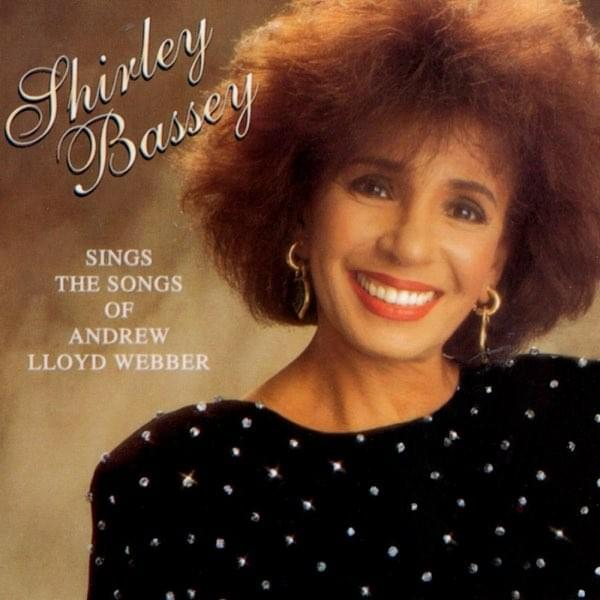
Shirley Bassey's performance of "With One Look" is a masterclass in dramatic interpretation, a raw nerve exposed through the vulnerability and power of the aging performer. The lyrics portray a character, presumably a stage or screen actress, wrestling with obsolescence and the fear of being forgotten. The opening lines, "They don't want me anymore / They all say I'm through," immediately establish a sense of rejection and fading relevance. The song then pivots, becoming a defiant assertion of her enduring talent and the almost supernatural ability to captivate an audience. It's a layered exploration of how perception shapes reality, and the performer's manipulation of that perception. The core message of "With One Look" revolves around the idea that true artistry transcends words. Bassey sings, "No words can tell the stories my eyes tell," highlighting the power of nonverbal communication and the unspoken language of performance.
The phrase "With one look" is repeated as a mantra, underscoring the actress's belief in her own transformative power. This isn't mere vanity; it's a survival mechanism. She claims, "With one look, I can break your heart / With one look, I play every part," suggesting a deep understanding of human emotion and the ability to evoke it at will. The lyrics hint at a carefully constructed persona, a series of roles she can slip into effortlessly. There's a subtle tension between authenticity and artifice, raising questions about the true self beneath the layers of performance. Is she truly connecting with her audience, or simply manipulating them with practiced skill?
Ultimately, "With One Look" is a song about reclaiming agency and defying expectations. The lines, "With one look, they'll forgive the past / They'll rejoice, I've returned at last," speak to a desire for redemption and a return to former glory. The mention of "Norma" in the lyrics, "They'll say, Norma's back at last," is likely a reference to Norma Desmond from 'Sunset Boulevard', an aging silent film star unwilling to accept her fading career. This reference adds another layer of meaning, suggesting that the song is not just about performance, but about the psychological toll of fame and the struggle to maintain relevance in a youth-obsessed culture. The final declaration, "This time I'm staying, I'm staying for good / I'll be back where I was born to be / With one look, I'll be me," is a powerful statement of self-affirmation, a defiant refusal to be defined by the expectations of others.
 View Artist