Song Meaning
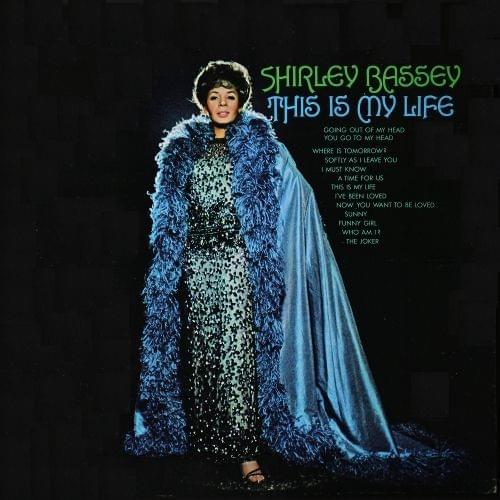
Shirley Bassey, a voice synonymous with power and theatricality, takes on a far more melancholic role in "The Joker." The song's meaning hinges on the age-old archetype of the clown – the figure whose outward humor masks profound inner sadness. It's a poignant exploration of vulnerability hidden behind a facade, a theme Bassey navigates with a subtle emotional complexity rarely attributed to her more bombastic performances. The lyrics paint a portrait of someone perpetually cast as the fool, the "lonely clown" whose misfortunes become the source of others' amusement. But beneath the laughter lies a deeper truth: the joker's humor is often unintentional, a byproduct of their own pain. It speaks to the human tendency to find solace in another's suffering, a cruel dynamic where empathy is sacrificed for fleeting entertainment. The song lyrics reveal a stark truth: "They don't see his lonely heart break."
The brilliance of Bassey's interpretation lies in the gradual unveiling of the narrator's self-awareness. The repetition of "There's always a joker" initially establishes a sense of detached observation, as if the speaker is commenting on a universal phenomenon. However, the final lines of the chorus, "fate deals the hand and I see, the joker is me," deliver a devastating blow. This isn't just a commentary on the world; it's a deeply personal confession. The realization that one is, in fact, the perpetual object of ridicule is a powerful and unsettling moment. The song, therefore, transcends a simple observation about societal dynamics and becomes a raw, introspective examination of self-perception and the pain of being misunderstood.
"The Joker" is not just a song; it's a miniature psychological study. Bassey masterfully conveys the feeling of isolation and the desperate need for validation. The lyrics, while simple, resonate with a universal truth: everyone, at some point, fears being the joke, the outsider, the one whose flaws are magnified for public consumption. The song meaning, ultimately, lies in its exploration of this primal fear and the quiet tragedy of those who find themselves perpetually cast in the role of the fool. It's a reminder to look beyond the surface, to recognize the humanity even in those who appear to be the easiest targets of laughter.
 View Artist