Song Meaning
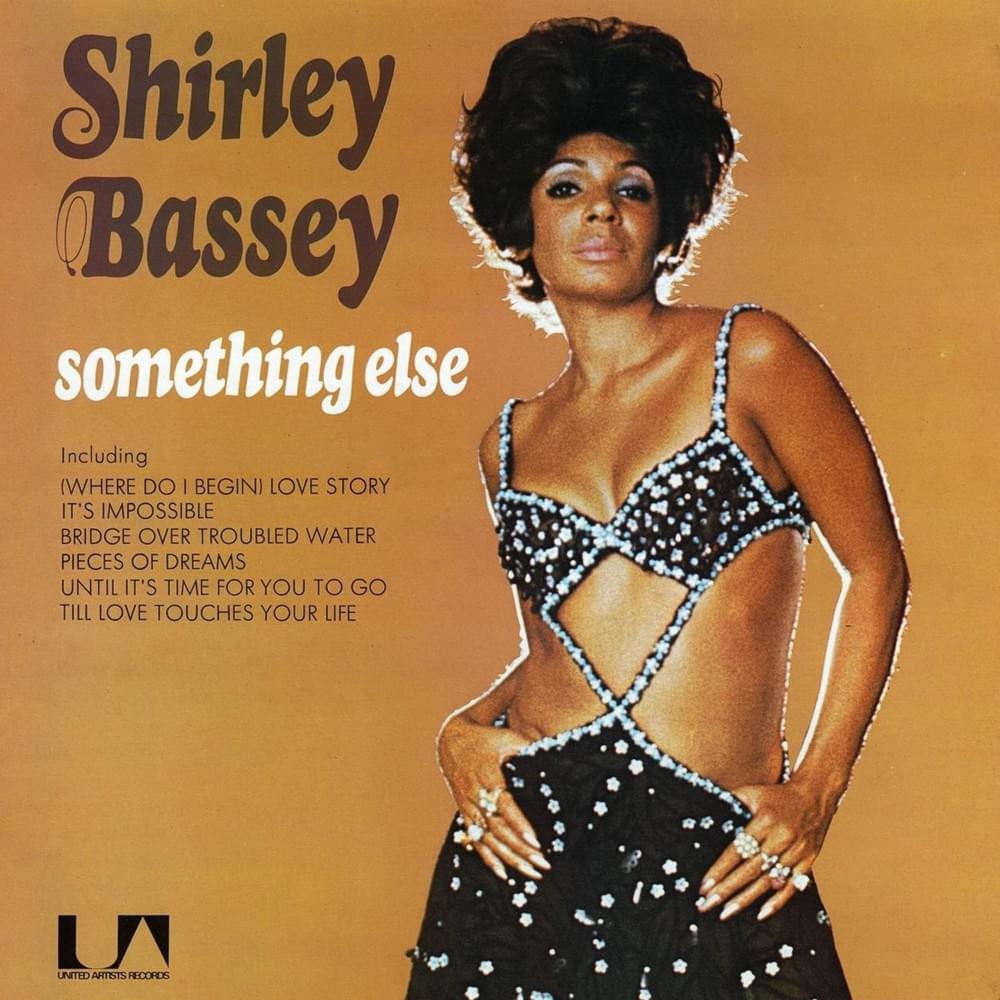
Shirley Bassey, a voice synonymous with dramatic intensity, takes on a surprisingly delicate task in "Pieces of Dreams": dissecting the fractured psyche of a lost boy. But this isn't just about childhood innocence; it's a stark look at the fragmented self, perpetually searching for wholeness in all the wrong places. The opening lines immediately plunge us into a state of disorientation, a circular quest embodied by the repeated "round! round!" The lyrics hint at a fundamental disconnect. The boy is blind not to what *is*, but to what he *was*, *never were*, and *nearly are*. This suggests a profound identity crisis, a struggle to reconcile past experiences with present aspirations and the ever-elusive potential of the future.
The second verse deepens the sense of internal conflict. The "little boy false" seeking his "true" self speaks to the masks we wear and the inherent desire for authenticity. Bassey's delivery, even at its most restrained, underscores the futility of running from oneself; each attempt to escape only leads further "astray." The central metaphor of fishing for "pieces of dreams" is particularly poignant. It highlights the flawed logic of trying to construct a complete identity from disparate, unattainable desires. The futility lies not in the dreams themselves, but in the attempt to force them together, recognizing that "those pieces will never fit."
Ultimately, "Pieces of Dreams" circles back to the fundamental need for self-acceptance and homecoming. The reference to "Little Boy Blue" isn't just a nursery rhyme echo; it's a call to responsibility. The lost sheep represent scattered thoughts and unrealized potential, while the call to "blow your horn, meet the morn" signifies a moment of awakening. The closing question, "can you be far from home?", is not a geographical query, but a deeply personal one. It suggests that the journey toward self-discovery is not about external achievements, but about finding peace and belonging within oneself.
 View Artist