Song Meaning
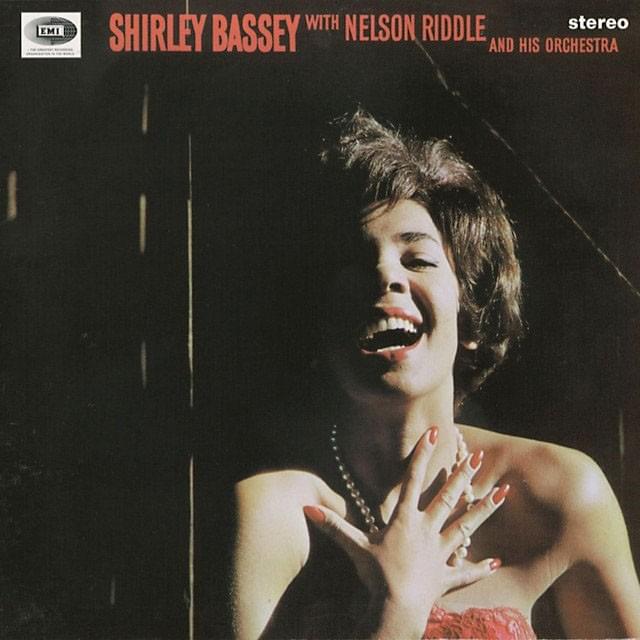
Shirley Bassey, a voice synonymous with defiant glamour, doesn't just sing "Let's Face the Music and Dance"; she embodies its core philosophy. The song isn't naive optimism; it's a strategic embrace of joy against a backdrop of acknowledged, impending doom. It's the emotional calculus of choosing present pleasure over future sorrow, not because one is ignorant of the latter, but precisely because one is acutely aware. The "trouble ahead" isn't some vague anxiety; it's a certainty, a bill coming due, the fiddlers soon to flee.
The genius of the lyrics lies in their temporal awareness. The repeated lines, "while there's moonlight and music / And love and romance," aren't merely descriptive; they're conditions. The music, the romance, the moonlight – these are fleeting resources to be exploited before the inevitable darkness. It's a recognition that joy, like any resource, is finite and must be actively consumed. The song meaning resides not just in the stated desire to dance, but in the urgent understanding of *why* that dance must happen now.
Bassey's interpretation elevates the song beyond simple escapism. It's a conscious, almost political, act of defiance against the forces of entropy. The "teardrops to shed" are already factored in; they're a known quantity. Yet, the choice remains: succumb to the anticipated sorrow, or seize the present moment with every ounce of available passion. "Let's Face the Music and Dance" becomes a potent anthem for anyone who has stared into the abyss and decided to waltz anyway. It's about choosing agency in the face of powerlessness, finding liberation in the fleeting beauty of a world destined to fade.
 View Artist