Song Meaning
Shirley Bassey's "How Do You Keep The Music Playing?" isn't just a love song; it's a sophisticated inquiry into the very architecture of enduring connection. The song's central question becomes a mantra, dissecting the anxieties inherent in long-term intimacy. It's a vulnerable moment, laid bare by Bassey's iconic delivery, exploring the tightrope walk between passionate surrender and the fear of eventual disconnection. The lyrics don't shy away from acknowledging the inherent instability of human relationships, asking, "And since you know we're always changing, how can it be the same?" This isn't naive romanticism; it's a clear-eyed assessment of the work required to sustain love's initial spark.
The brilliance of the song meaning lies in its understanding of love as an active, rather than passive, experience. It's not enough to simply fall in love; the real challenge is maintaining that connection, constantly finding "new things to say," even as time inevitably alters both individuals. The lyrics hint at the psychological complexities of commitment, acknowledging the simultaneous joy and fear that accompany deep emotional investment. The narrator confesses, "The more I love, the more that I'm afraid / That in your eyes I may not see forever." This fear of impermanence isn't a sign of weakness, but rather an honest expression of the human condition, a recognition that even the most profound bonds are susceptible to the erosive forces of time and change.
Ultimately, "How Do You Keep The Music Playing?" offers a hopeful, albeit realistic, prescription for lasting love. The answer, it suggests, lies in the conscious cultivation of friendship and the unwavering commitment to growth. The lyrics propose that if partners can navigate the complexities of intimacy while simultaneously nurturing their bond as friends, and "try with every day to make it better as it grows," then the music – the vibrant energy of their connection – might just endure. It's a testament to the power of intentionality, suggesting that love isn't a static state but rather a dynamic process requiring constant attention, care, and a willingness to adapt to life's inevitable changes.
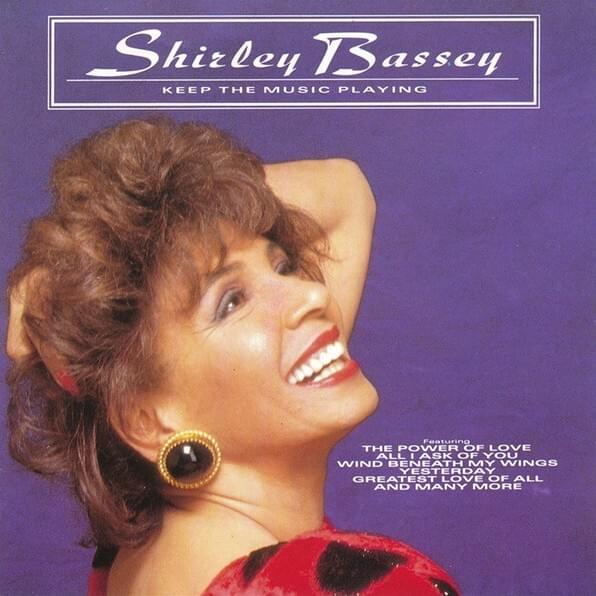
 View Artist