Song Meaning
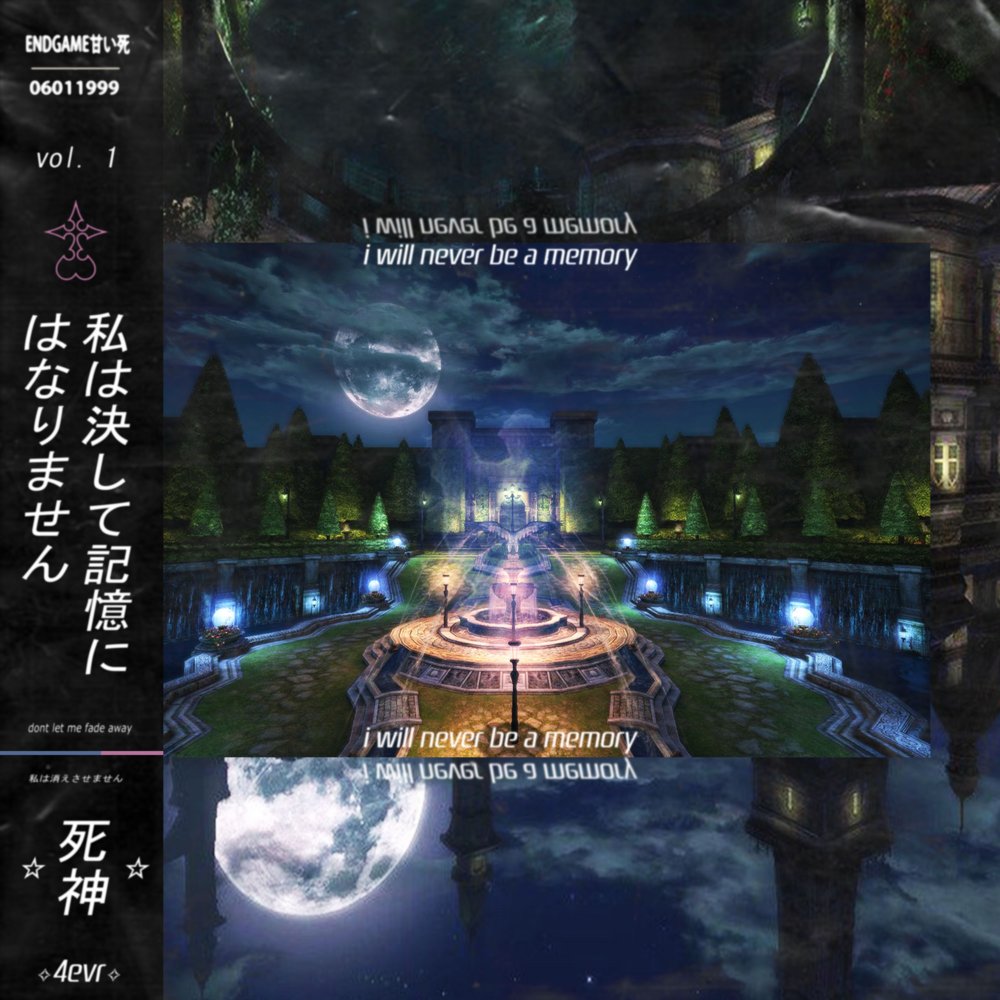
Cloud Strife's demand to Sephiroth, "Stay where you belong, in my memories," immediately sets a desperate tone. It's a plea to contain a past threat, to relegate an adversary to a finished chapter. Sephiroth's stark, defiant reply—"I will never be a memory"—instantly shatters any hope of closure, asserting an enduring, active presence.
The central tension here is a visceral struggle for control over existence and narrative. Cloud seeks to define Sephiroth's place as a vanquished foe, a contained recollection. Yet, Sephiroth utterly rejects this passive role, refusing to be confined to someone else's past. This isn't merely about remembering; it's about the very act of *being* and refusing to be forgotten.
The power of these lines comes from their stark, almost poetic contrast. Cloud's possessive "my memories" attempts to assert ownership and define Sephiroth's rightful place. But Sephiroth's absolute "never be a memory" is a potent, defiant rejection of that definition. This brief dialogue acts as a concise, dramatic confrontation, signaling an ongoing, unresolved battle rather than a resolution.
These few words are incredibly effective because they tap into a universal human experience: the struggle to overcome a haunting past. They perfectly capture the essence of an antagonist who refuses to stay defeated, and a protagonist who desperately yearns for peace. The raw defiance and the yearning for closure create a potent emotional core, setting a powerful stage even without further context.
 View Artist