Song Meaning
The lyrics paint a raw, immediate picture of someone consumed by unrequited or fractured love. The narrator grapples with a painful paradox: the more they see their beloved, the deeper their attraction grows, yet they question where the beloved's heart truly lies. This internal conflict is amplified by the beloved's words, which seem to promise exclusivity but feel hollow, leaving the narrator in a state of emotional turmoil. The core tension arises from the beloved's perceived indifference or infidelity, contrasted with the narrator's overwhelming devotion.
The central emotional conflict is the narrator's desperate desire for exclusive love versus the painful realization that it's unattainable. They try to move on, seeking solace elsewhere, but find only temporary relief. The repeated plea, "Tell me why / Am I not enough for you?" underscores this deep-seated insecurity and the agony of feeling insufficient. The narrator acknowledges their own pain but also seems to recognize that the situation isn't solely the beloved's fault, adding a layer of complex self-awareness to their suffering.
A striking element of the craft is the juxtaposition of tender, intimate language with stark expressions of pain and jealousy. Phrases like "Beautiful" and the beloved's "gentleness" and "smile" are presented as alluring but ultimately not exclusive possessions. The repeated refrain "We've become undone" acts as a powerful, concise summary of the emotional wreckage, suggesting a complete unraveling of their sense of self and stability due to this love. The lyrics also employ direct questions, "Where is your heart?" and "Now who are you smiling next to?", to convey the narrator's desperate need for answers and their tormenting uncertainty.
These lyrics hit hard because they articulate the universal, yet intensely personal, experience of loving someone who cannot fully reciprocate or who belongs to others. The raw vulnerability, the struggle between wanting to hate and being drawn in deeper, and the feeling of being "undone" by love create a resonant emotional landscape. The specific, almost desperate, questioning and the acknowledgment of shared (though unequal) responsibility for the pain make the narrator's plight feel both intensely private and deeply relatable.
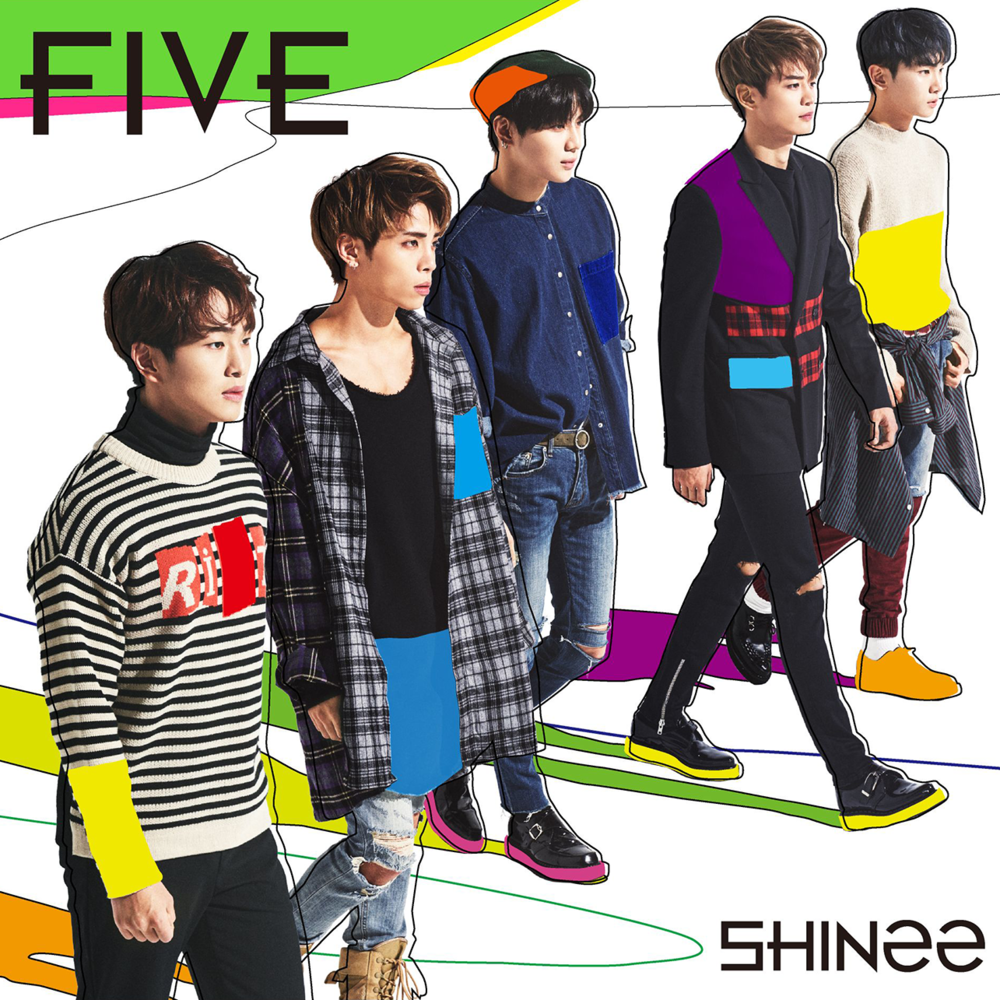
 View Artist